February 24, 2026
Unseen threats can cause significant damage long before property owners realize there is a problem. From termites quietly weakening wooden structures to rodents nesting behind walls, pests often operate out of sight. By the time visible signs appear, costly repairs and health concerns may already be underway. This is where a professional pest control company becomes an essential partner in protecting both residential and commercial properties.
Pest infestations are more common than many people assume. According to Consumer Affairs, there are over 167,000 pest control specialists employed across the U.S., and more than 31,000 businesses dedicated to this field. These numbers reflect both the widespread demand for services and the scale of the pest-related challenges property owners face. A qualified pest control company provides expertise, preventive strategies, and long-term solutions designed to stop problems before they escalate.
Understanding how these professionals work—and why their services matter—can help you make informed decisions that protect your investment and ensure a safe environment for occupants.
What Services Does a Pest Control Company Offer?
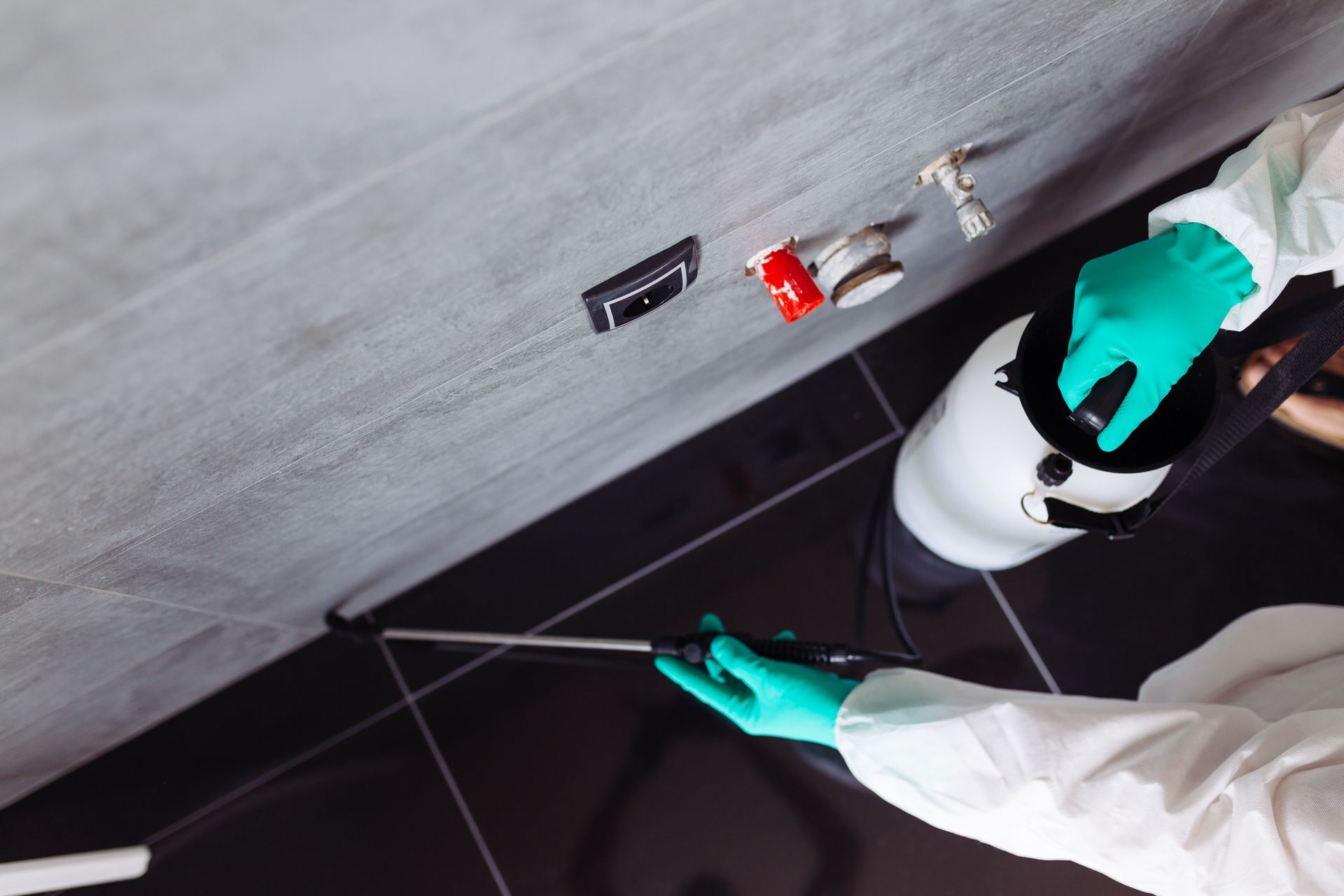
A professional pest control company provides far more than a one-time spray treatment. Its services typically begin with a thorough inspection. During this initial evaluation, technicians examine both interior and exterior areas, looking for evidence of pest activity, structural vulnerabilities, and environmental factors that could attract infestations. This detailed assessment forms the foundation for a customized treatment plan.
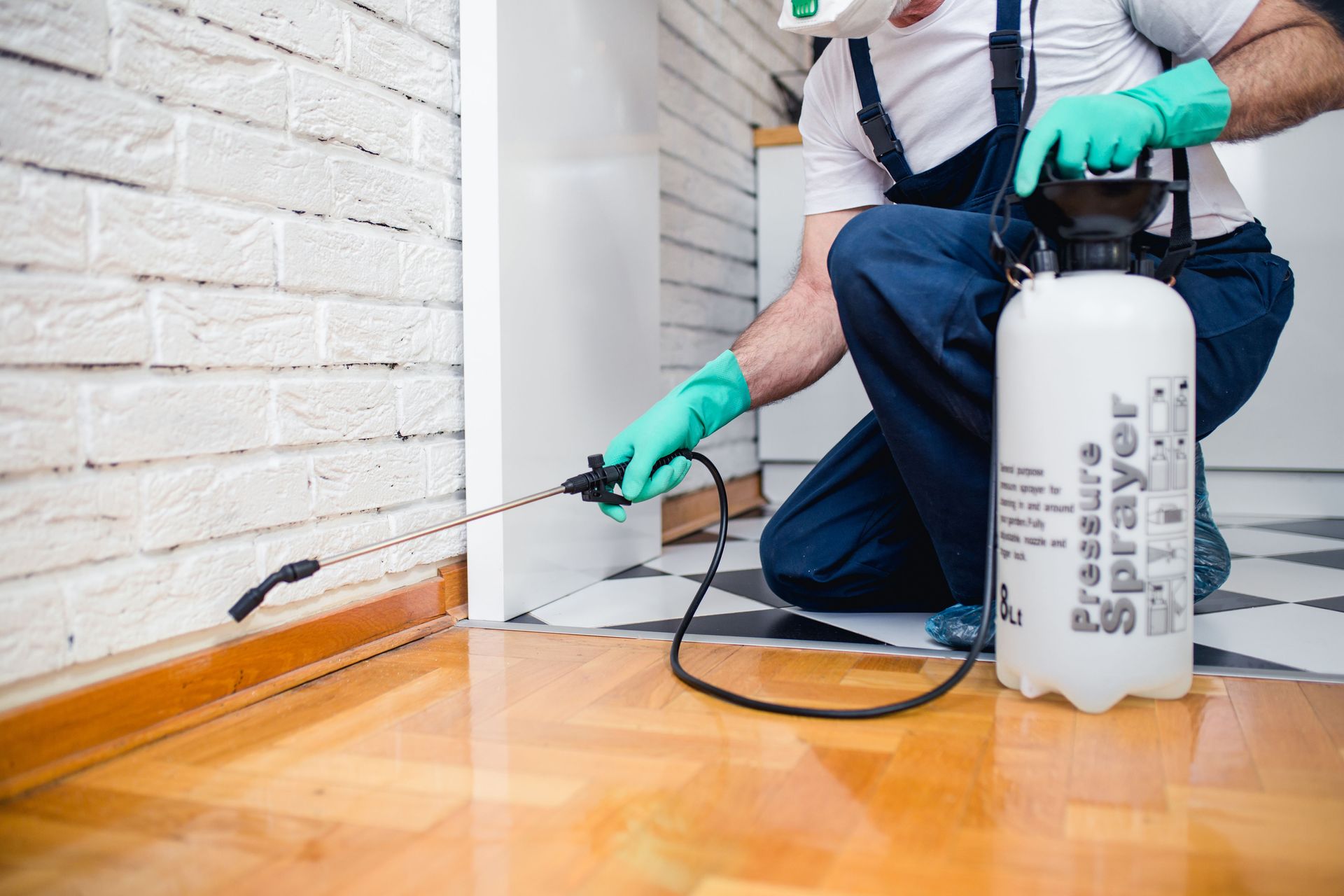
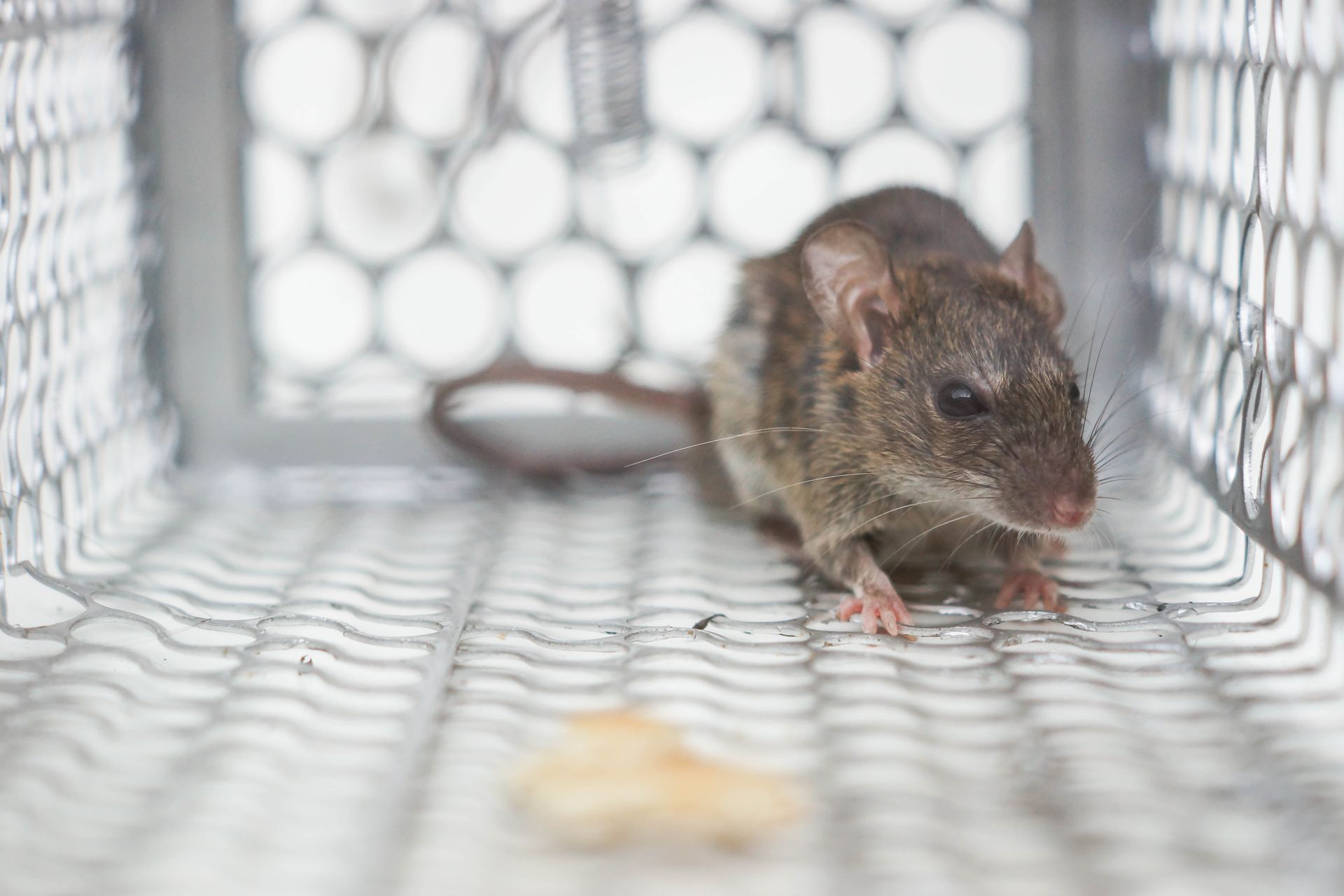
Treatment services vary depending on the type of pest involved. Common targets include termites, ants, cockroaches, rodents, bed bugs, spiders, and mosquitoes. Each pest requires a specific approach. For example, termite treatments may involve soil treatments or baiting systems, while rodent control might include trapping, exclusion work, and sanitation recommendations. A reputable pest control company tailors its methods to address the biology and behavior of each pest species.
Beyond immediate treatment, ongoing maintenance programs are a core offering. These scheduled visits allow technicians to monitor for signs of recurring activity and address new concerns early. Preventive maintenance is especially valuable in commercial settings such as restaurants, warehouses, and office buildings, where even a minor infestation can disrupt operations or damage reputations.
Additionally, many companies provide exclusion services. This includes sealing cracks, repairing entry points, and advising on landscaping or drainage improvements to reduce pest attraction. By combining treatment with prevention, a pest control company delivers comprehensive protection that extends well beyond a single service call.
How Do Pest Control Companies Identify Unseen Threats?
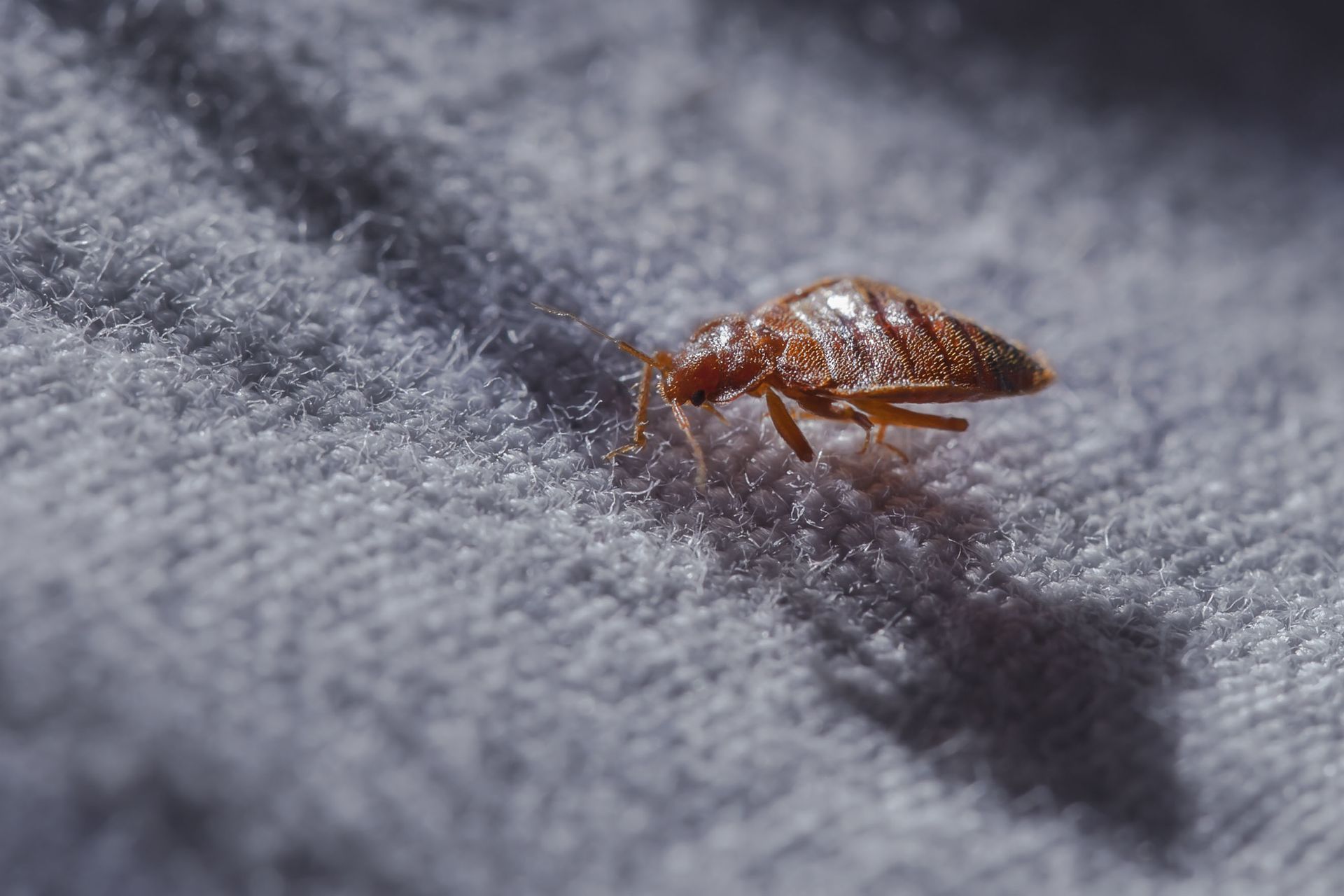
Pests are experts at hiding. Termites may remain concealed within walls or beneath floors for years. Rodents often travel through attics, crawl spaces, and wall voids. Bed bugs hide in mattress seams and furniture crevices. Detecting these hidden invaders requires specialized knowledge and tools.
A professional pest control company relies on trained technicians who understand pest behavior patterns. By recognizing subtle signs—such as mud tubes, droppings, gnaw marks, grease trails, or faint odors—professionals can pinpoint infestations that might otherwise go unnoticed. Even minor structural irregularities can indicate underlying problems.
In addition to visual inspections, many companies use advanced equipment to improve accuracy. Moisture meters help detect damp areas that attract termites and other wood-destroying organisms. Infrared cameras can reveal temperature variations behind walls, sometimes indicating nesting activity. Borescopes allow technicians to inspect voids and tight spaces without extensive demolition.
Monitoring devices are another critical tool. Sticky traps, bait stations, and rodent monitoring systems provide ongoing data about pest activity levels. These devices help a pest control company track patterns over time and adjust treatment strategies accordingly.
Early detection is key to minimizing damage. By identifying threats before they spread, professionals can implement targeted interventions that save property owners from extensive repairs and prolonged infestations.
Why Is Regular Pest Control Important for Your Property?
Waiting until pests become visible often means the problem has already progressed. Regular service from a pest control company serves as a proactive defense rather than a reactive solution. Consistent monitoring and maintenance reduce the likelihood of large-scale infestations and structural damage.
Termites offer a clear example. These insects consume wood from the inside out, weakening beams, flooring, and support structures. Without routine inspections, significant deterioration can occur before homeowners notice any outward signs. Regular evaluations ensure that termite activity is detected early and addressed promptly.
Health considerations also underscore the importance of ongoing service. Rodents can transmit diseases, contaminate food supplies, and trigger allergic reactions. Cockroaches and dust mites are known to exacerbate asthma symptoms. A pest control company helps maintain a healthier indoor environment by minimizing these risks.
Property value is another factor. Evidence of pests can reduce resale appeal and complicate real estate transactions. Prospective buyers often request pest inspections before closing. Maintaining regular service demonstrates responsible property management and may prevent last-minute surprises.
Seasonal changes further highlight the need for consistency. As temperatures shift, pests seek shelter indoors. A pest control company anticipates these cycles and adjusts treatments accordingly, creating a year-round protective barrier. By investing in regular service, property owners reduce long-term costs and avoid the stress associated with sudden infestations.
What Are the Latest Innovations in Pest Control Technology?
The pest management industry has evolved significantly in recent years. Today’s pest control company integrates science-based strategies and environmentally responsible practices to deliver effective results with minimal disruption.
Integrated Pest Management, commonly known as IPM, has become a widely adopted framework. This approach emphasizes inspection, monitoring, and targeted treatments rather than routine blanket applications. By understanding pest life cycles and environmental conditions, technicians can apply precise interventions that reduce chemical usage while maintaining effectiveness.
Eco-friendly products are another innovation shaping the industry. Many companies now offer botanical-based treatments and low-toxicity formulations designed to protect families, pets, and the surrounding environment. These solutions provide effective control while addressing growing concerns about sustainability.
Digital technology has also improved service efficiency. Some pest control company providers use mobile reporting systems that allow technicians to document findings in real time. Property owners can receive detailed reports, including photos and service notes, enhancing transparency and communication.
Smart monitoring systems are gaining popularity in commercial settings. Connected rodent traps and sensor-equipped bait stations can send alerts when activity is detected, allowing for rapid response. This data-driven approach minimizes downtime and strengthens preventive efforts.
As research continues, innovations in bait technology, heat treatments, and biological controls further enhance service outcomes. A forward-thinking pest control company stays informed about emerging techniques to deliver safer and more effective protection.
How Can You Choose the Right Pest Control Company for Your Needs?
With thousands of providers nationwide, selecting the right pest control company requires careful consideration. Credentials and licensing should be your first checkpoint. Verify that the company complies with state regulations and employs certified technicians who receive ongoing training.
Experience matters as well. Companies with a strong track record are more likely to understand local pest pressures and seasonal trends. Ask about the types of pests they specialize in and whether they offer customized treatment plans tailored to your property.
Reputation provides valuable insight. Online reviews, testimonials, and referrals can help gauge customer satisfaction. A reputable
pest control company should be transparent about pricing, service guarantees, and follow-up procedures.
Communication is equally important. Choose a provider that explains its inspection findings clearly and outlines recommended steps in understandable terms. Effective communication builds trust and ensures that you remain informed throughout the process.
Finally, consider service flexibility. Some properties require one-time treatments, while others benefit from ongoing maintenance plans. The right pest control company will offer options that align with your needs and budget, without pressuring you into unnecessary services.
Hidden pests can compromise structural integrity, threaten health, and diminish property value long before their presence becomes obvious. A professional pest control company serves as a critical line of defense, offering inspections, targeted treatments, preventive maintenance, and advanced technological solutions. With thousands of specialists nationwide addressing complex pest challenges, property owners have access to proven expertise. Investing in consistent, professional service ensures your home or business remains safeguarded against unseen threats that might otherwise cause lasting damage. If you need reliable pest control, reach out to the professionals at Friendly Pest Solutions, LLC today!