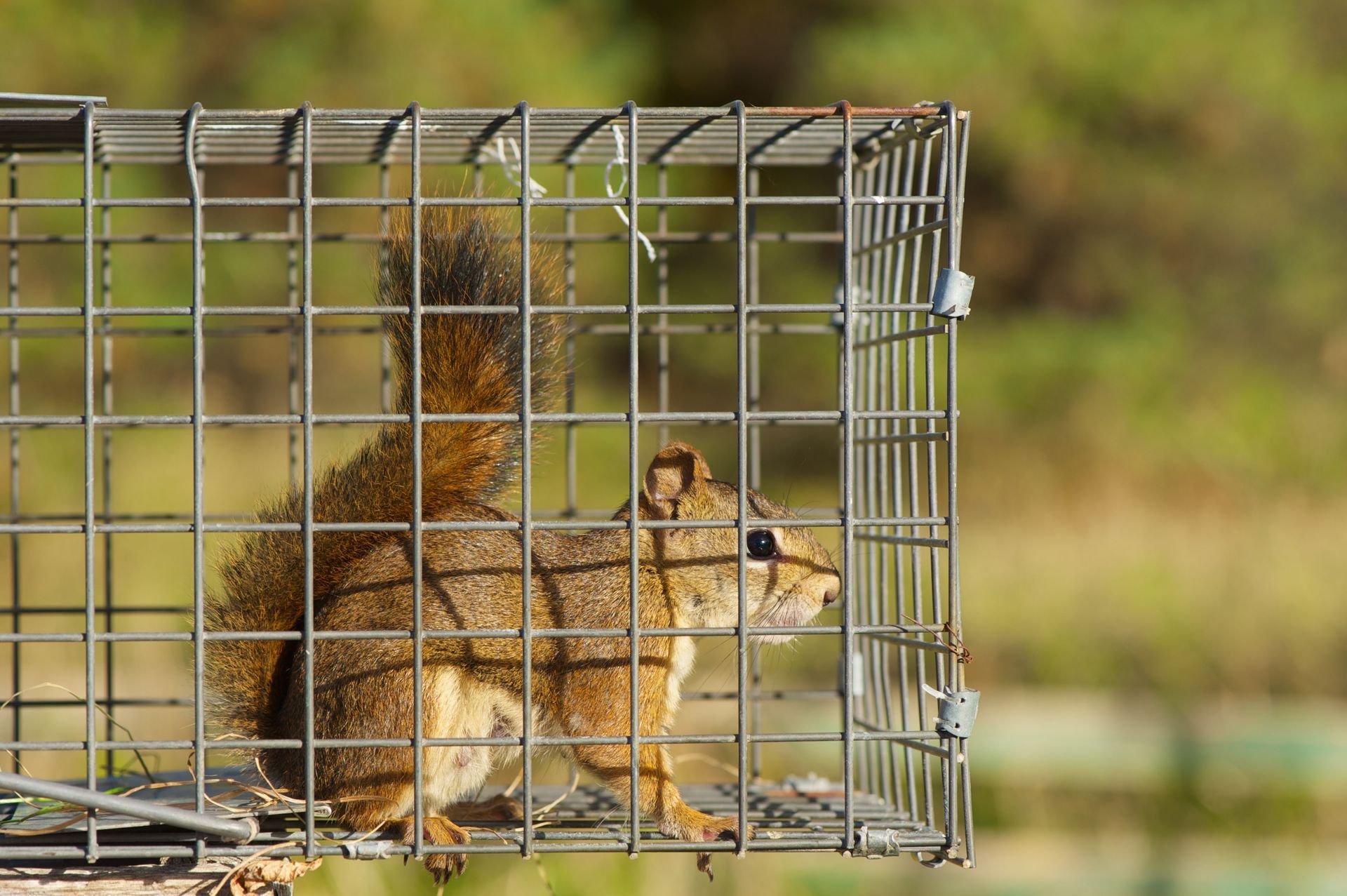
Your attic can quickly become an inviting shelter for squirrels seeking warmth and protection. Unfortunately, their presence often leads to noise, damage, and costly repairs if left unaddressed. Recognizing the early warning signs of squirrel activity allows you to take swift action before a minor issue turns into a major infestation. By knowing what to look and listen for, you can better protect your home and maintain a safe, secure attic space with pest control companies.
1. Unusual Noises
One of the first indicators of squirrel presence is unusual noises emanating from the attic. Typically, scratching sounds occur as squirrels move around in search of materials to build their nests. This noise can often be confused with the sounds mice or rats make, but it's generally louder because squirrels are larger. Scampering noises might be heard during daylight hours, as squirrels are more active and exceptionally agile during the day. These movements can be disturbing, interrupting the quiet of your home, and can hint at increased activity and nest building that pest control companies frequently address.
Aside from the usual scratching and scampering, chewing noises are another significant auditory sign of squirrels in your attic. With their ever-growing incisors, squirrels need to gnaw continuously on various materials, such as wood beams, insulation, or even your home's wiring. This activity is not only harmful to the structural integrity of your attic but also poses a safety hazard. Chewing sounds could easily accompany thumping or rolling noises, an indicator of squirrels dropping nuts or leaping from beam to beam. Each of these noises provides critical insight into the activities of squirrels and should not be overlooked by homeowners or pest control companies.
2. Visible Entry Points
Visible entry points are another telltale sign that squirrels have invaded your attic. Often, squirrels will find or create openings by chewing around roof edges, soffits, or vents. These chewed openings are usually jagged and vary in size, offering squirrels a convenient entry and exit point. Broken or damaged vents, whether on the roof or gable, can also be prime access points for squirrels. When inspecting your attic for potential entry points, be sure to check all the nuances, as squirrels are experts at finding weak spots in a home's exterior that pest control companies commonly seal.
In addition to chewed openings, gnawed wiring or piping might also serve as an indicator of squirrel intrusion. As squirrels move through these tight spaces, they are likely to chew on or create small openings where piping or wiring enters your attic. These visible markings can point to potential safety hazards, such as fire risks from exposed wires. Moreover, squirrels, like termites, are capable of causing structural damage with their aggressive gnawing habits. Residents often overlook such details, but these are crucial signs pointing to a larger, unresolved problem that pest control companies can properly assess.
3. Droppings and Odors
Squirrel droppings are a common indicator of their presence in your attic. The droppings are small and brown, often accumulating in certain corners or along frequented pathways. Over time, this accumulation not only becomes unsightly but also poses health risks due to potential bacteria and parasites. Detecting and identifying these droppings can help determine the scale of the infestation. These droppings are sometimes confused with those of other rodents, so it's crucial to identify them accurately, which is something pest control companies are trained to do.
Beyond visual cues, odors can also signify a squirrel problem in your attic. A strong, musky smell may emanate from the accumulated urine over extended periods. This odor can permeate through the attic and affect other parts of the house, creating an unpleasant living environment. In many cases, this smell is often mistakenly attributed to plumbing issues or mold, delaying proper identification. Odor might also come from decaying nesting materials like leaves and twigs mixed with droppings, further exacerbating the foul smell. While wildlife can cause serious structural concerns, it’s worth noting that other pests pose risks as well—according to the Florida Department of Agriculture and Consumer Services, the subterranean Formosan termite can cause the most damage due to their large colony size, which can contain millions of termites, and their aggressive foraging habits—making pest control companies essential for comprehensive protection.
4. Tracks and Footprints
Dusty or sooty areas in your attic can reveal the presence of squirrel footprints, indicating frequently used paths. These footprints are often overlooked but can offer invaluable data on the routes squirrels use and the extent of the infestation. Particularly in unused areas, these footprints become quite evident, forming clear trails through the dust. While they may not show exact numbers, they can lead you to nest locations or food caches hidden away. Monitoring these paths regularly helps keep track of active squirrel activity and can assist homeowners and pest control companies in formulating removal plans.
In addition to visible footprints, nest pathways may also be present, usually marked by displaced insulation or dust. These trails often lead to nesting areas and show the squirrels' daily travel routes within the attic. Identifying these pathways can help pinpoint key areas requiring attention for sealing off or reinforcing entry points. With time, the oil from squirrels' fur can create grease marks along their routes, leaving additional traces of their presence. By following these pathways, you can effectively address and deter squirrels from returning to your attic with help from pest control companies.
5. Nesting Materials
Leaf and twig nests are often discovered within attics where squirrels have taken up residence. These nests can vary in size and complexity, made primarily of dry leaves, twigs, and other foliage brought in from outdoors. The nests may be tucked away in dark corners or crannies within the attic, hidden but evidently present. Squirrels, skilled at resource gathering, might also use shredded paper or fabric found in storage. These materials are woven intricately into their nests, providing comfort and insulation for their young ones, often requiring removal by pest control companies.
Another nesting indicator is a pile of insulation gathered in isolated corners. Squirrels repurpose loose or shredded insulation to create nests that are warm and insulated, ideal for raising young. Discovering these piles implies significant nesting activity, especially if the insulation is noticeably removed or clustered. Often, homeowners overlook these nests, thinking them to be the result of weathering or wear and tear. Recognizing them for what they are allows for more targeted removal and prevention strategies, safeguarding your attic from further infestation.
6. Damage Indicators
Chewed wires are among the most dangerous signs of squirrel presence in your attic. When squirrels gnaw on electrical wires, it poses a fire hazard due to exposed wiring. This damage is often underestimated, yet the risk it poses can result in disastrous consequences for your home's safety. Chewed wood structures are also common, as squirrels regularly gnaw to keep their teeth sharp. This use of wood can significantly undermine the structural integrity of beams or supports within the attic.
Damaged insulation also indicates possible squirrel activity, appearing as tampered or balled-up materials in various attic areas. Squirrels may shred or redistribute insulation, using it in nests or as pathways, and in turn, reducing its effectiveness as a barrier. Such damage, if left unchecked, can lead to increased heating and cooling costs due to inefficient insulation. In addition, broken or chewed ducts often reveal squirrel invasion, with chew marks evident on air ducts and ventilation systems. Action must be taken promptly to repair and seal these vulnerabilities, ensuring your home’s HVAC system remains efficient with assistance from pest control companies.
Detecting squirrels in your attic early can make all the difference in preventing structural damage and safety hazards. From strange noises and entry points to droppings, nests, and chewed wiring, each sign provides an important clue. Acting quickly—whether by sealing entry points or contacting a wildlife removal professional—helps limit further destruction and expense. Staying vigilant ensures your attic remains protected and free from unwanted wildlife. Reach out to Friendly Pest Solutions, LLC to learn more about our services today.