Understanding the importance of professional rodent control for maintaining a healthy and stress-free home environment is crucial for every homeowner. Rodents such as mice and rats can cause significant damage, transmit diseases, and create distressing living conditions. By using professional treatment solutions, homeowners keep their living spaces safe, comfortable, and free of these pests. In doing so, they protect their property and support the health and well-being of their families. Professional pest management specialists use advanced inspection techniques, targeted treatments, and long-term prevention strategies to remove rodent activity and reduce the likelihood of recurring infestations.
Signs of Rodent Infestation
Effective rodent control begins with accurate identification of rodent activity. Physical indicators are often the first warning signs that rodents have entered a home. Common signs include chewed materials such as wires, insulation, and food packaging. Rodents constantly gnaw to maintain their teeth, and this behavior can damage a variety of household materials. Tracks, smear marks along walls, and grease marks from rodent fur are additional indicators of their presence. Professional services rely on detailed property inspections to identify these warning signs. Pest control technicians examine areas where rodent activity frequently occurs, including attics, crawl spaces, basements, and utility corridors.
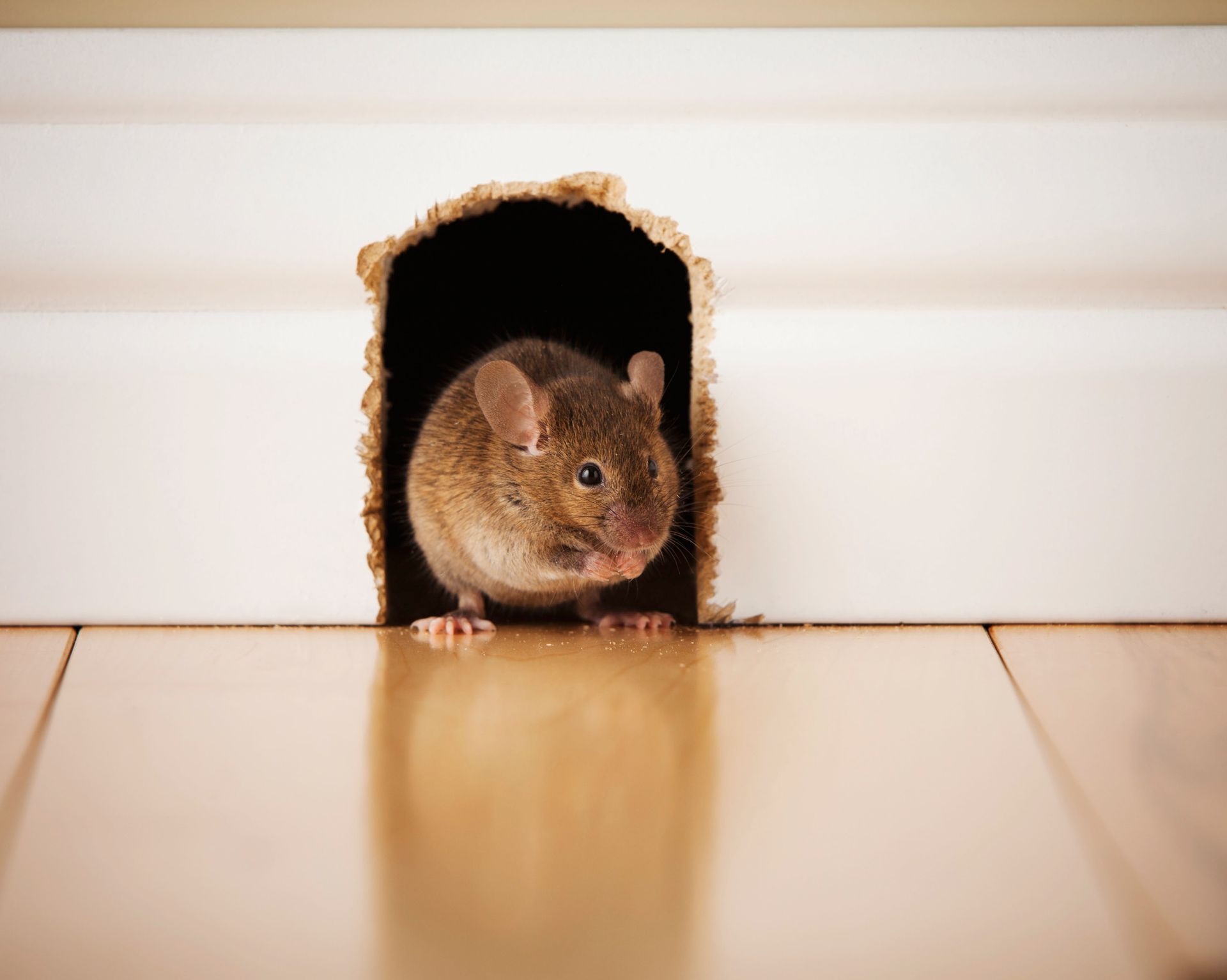
In addition to visible damage, structural openings can signal rodent access points. Holes in walls, gaps around pipes, and damaged insulation often indicate nesting or entry areas. Pest control specialists evaluate these vulnerabilities during inspections and develop treatment plans that address both rodent removal and structural protection. Odor can also signal rodent activity. Rodent urine produces a strong, musky scent that becomes more noticeable as populations grow. Pest management professionals recognize these odors and use them as part of a comprehensive inspection process.
Rodents are nocturnal animals, which means many signs of infestation occur at night. Scratching or rustling sounds inside walls, ceilings, or attic spaces frequently indicate rodent movement. These noises often result from nesting, feeding, or traveling between hiding areas. Professional rodent control technicians use specialized detection tools to confirm activity levels. Acoustic monitoring equipment can detect subtle sounds associated with rodent movement that may not be noticeable during a typical home inspection. This technology allows professionals to determine the location and severity of infestations more accurately.
Damage to Property and Personal Items
Rodent infestations frequently cause damage to structures and personal items. Their chewing habits can damage electrical wiring, insulation, and plumbing materials. Damaged wires create fire hazards, while compromised pipes may lead to water damage or costly repairs. Personal property can also be affected. Rodents may damage clothing, furniture, stored items, and important documents when building nests. Stored food items are often contaminated as rodents search for accessible food sources.
Rodent droppings are one of the most common indicators of infestation. Identifying droppings and urine patterns provides valuable insight into rodent behavior within a property. Pest control specialists use this information to determine treatment zones, locate entry points, and identify nesting areas. This data-driven approach allows technicians to apply rodent control solutions that focus on the most affected areas of the home. Professional services conduct detailed property assessments to identify affected areas. Pest control specialists document damage, locate rodent travel paths, and determine how rodents are entering the home. Once these factors are identified, technicians apply targeted control solutions designed to eliminate current activity and protect vulnerable areas.
Rodents build nests using materials commonly found in homes. Shredded paper, fabric, insulation, and cardboard are frequently used to create nesting areas in hidden spaces. Attics, wall voids, basements, and storage areas provide ideal locations for these nests. Nesting sites indicate breeding activity, which allows rodent populations to expand rapidly if left untreated. Pest control professionals focus on identifying these nesting locations during inspections. Removing nests is an important step in disrupting rodent activity and preventing population growth.
Professional Treatment Methods
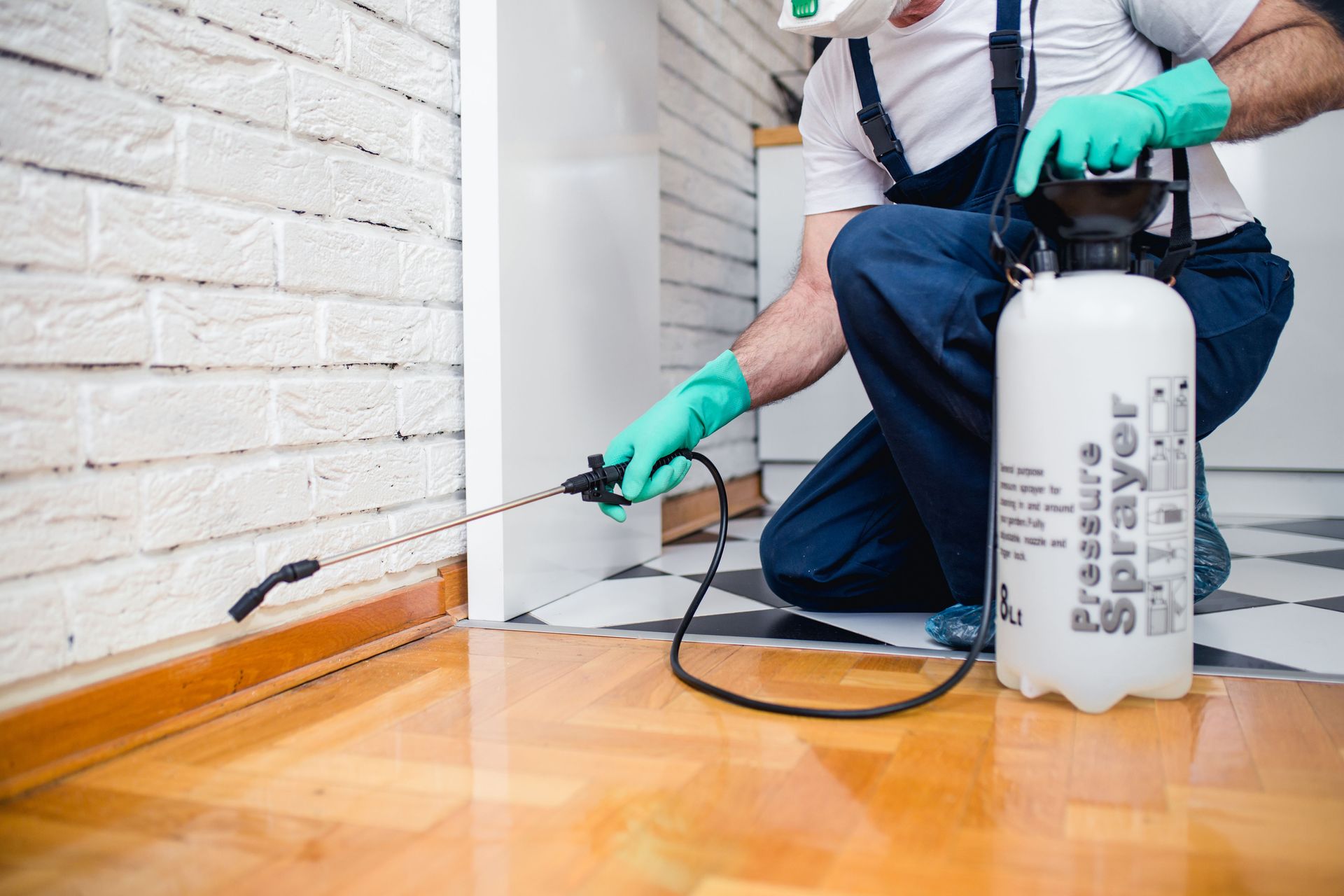
Professional solutions often involve more than detecting rodent activity. Pest control specialists use proven treatment strategies designed to remove rodents and prevent new infestations. These methods are carefully selected based on the severity of the infestation, the layout of the property, and the behavior patterns of the rodents involved. Rodent control professionals often begin with a comprehensive property inspection. During this stage, technicians identify entry points, nesting locations, and travel routes. This information allows pest management teams to develop customized treatment plans that address the specific conditions within each home.
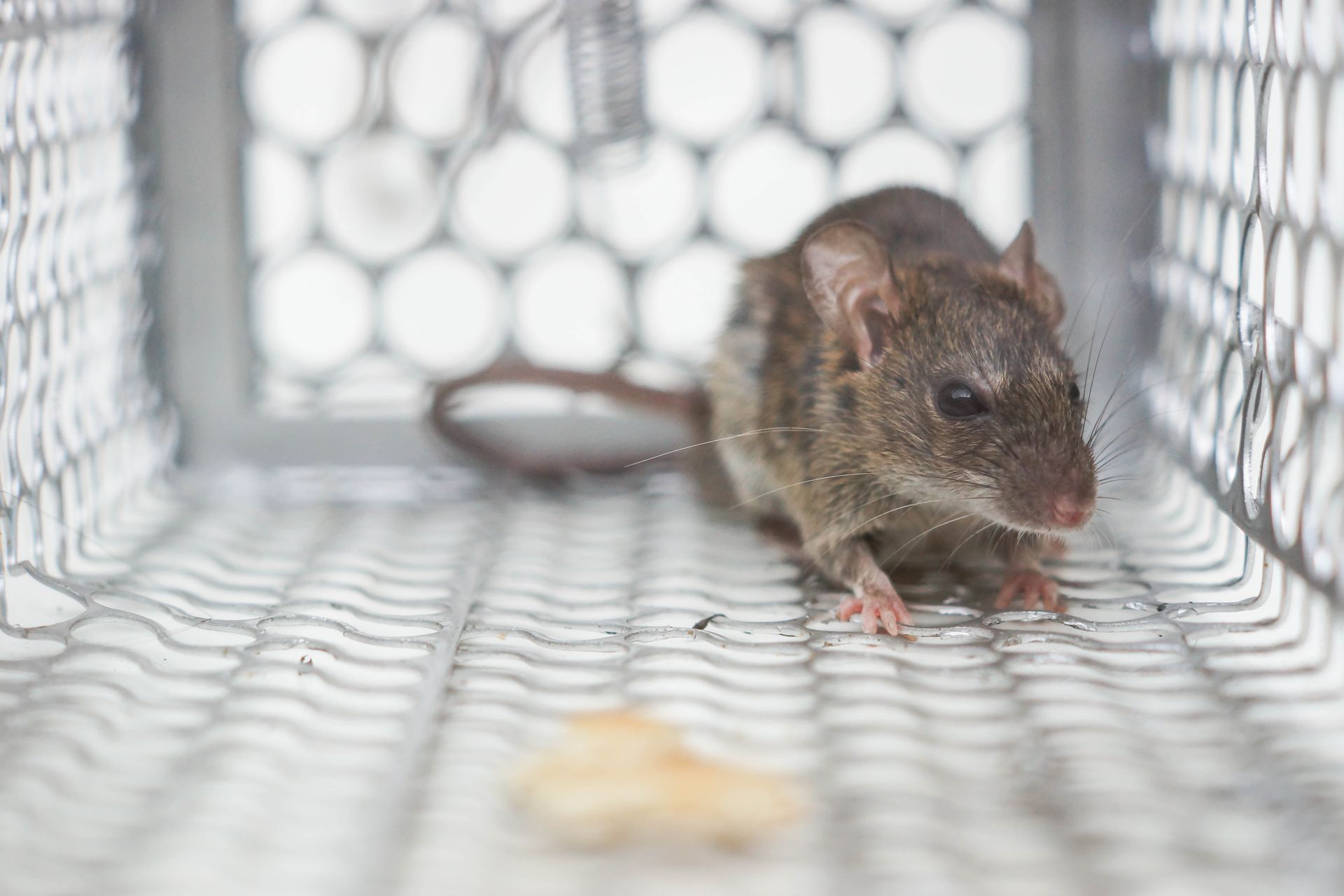
One common approach involves the strategic placement of professional-grade traps and monitoring devices. These tools allow technicians to capture rodents efficiently while also providing ongoing data about rodent activity. Monitoring systems help determine whether treatments are working and whether additional adjustments are necessary. In addition to trapping methods, pest control specialists frequently implement exclusion techniques. Exclusion focuses on sealing structural openings that rodents use to enter homes. This may include repairing gaps in foundations, securing vent openings, reinforcing crawl space barriers, and installing protective materials around utility lines.
Another critical component of professional rodent control is sanitation and habitat management. According to This Old House, a strong pest repellent method is placing a one to two-foot gravel or stone barrier around your foundation. Pest management professionals identify environmental conditions that contribute to rodent activity. By addressing these factors, technicians reduce the resources rodents rely on for survival within the home. Many professional services also provide follow-up inspections after initial treatments. These visits allow technicians to monitor results, evaluate the effectiveness of treatments, and make any necessary adjustments. Continued monitoring helps maintain long-term protection against rodent activity.
Long-Term Protection Through Professional Management
Effective rodent control requires ongoing monitoring and property protection. Even after rodents are removed, homes remain vulnerable to future infestations if entry points or environmental factors remain unaddressed. Professional pest management services provide long-term strategies that help protect homes against recurring rodent problems. These strategies focus on identifying weaknesses in the structure of the home and correcting conditions that allow rodents to return. Consistent oversight by trained technicians supports early detection and keeps minor activity from developing into larger infestations.
Routine inspections are an important part of long-term rodent management. Pest control technicians evaluate properties periodically to check for new signs of rodent activity, structural changes, or environmental conditions that could attract pests. Early identification allows technicians to respond quickly before infestations become severe. Professional rodent control services also provide recommendations for maintaining rodent-resistant environments. These strategies often involve improving structural barriers, maintaining clean storage areas, and monitoring high-risk spaces such as basements, attics, and garages.
Another advantage of professional pest management is access to advanced tools and treatment techniques. Pest control companies stay updated on evolving pest control technologies and methods. This allows technicians to apply the most effective solutions available for rodent removal and prevention. Professional equipment and monitoring systems help track rodent behavior patterns and confirm that treatment plans are working as intended. When technicians combine these tools with thorough inspections and preventative planning, homeowners gain long-term protection against future rodent activity.
Rodents can multiply quickly, making early intervention and professional treatment essential for maintaining a healthy home environment. With comprehensive inspections, targeted treatment methods, and long-term monitoring strategies, professional rodent control services provide homeowners with reliable protection against these destructive pests. If you are dealing with unwanted pests in your home, contact Friendly Pest Solutions, LLC today to schedule professional pest control services that help keep your property protected year-round.