July 27, 2026
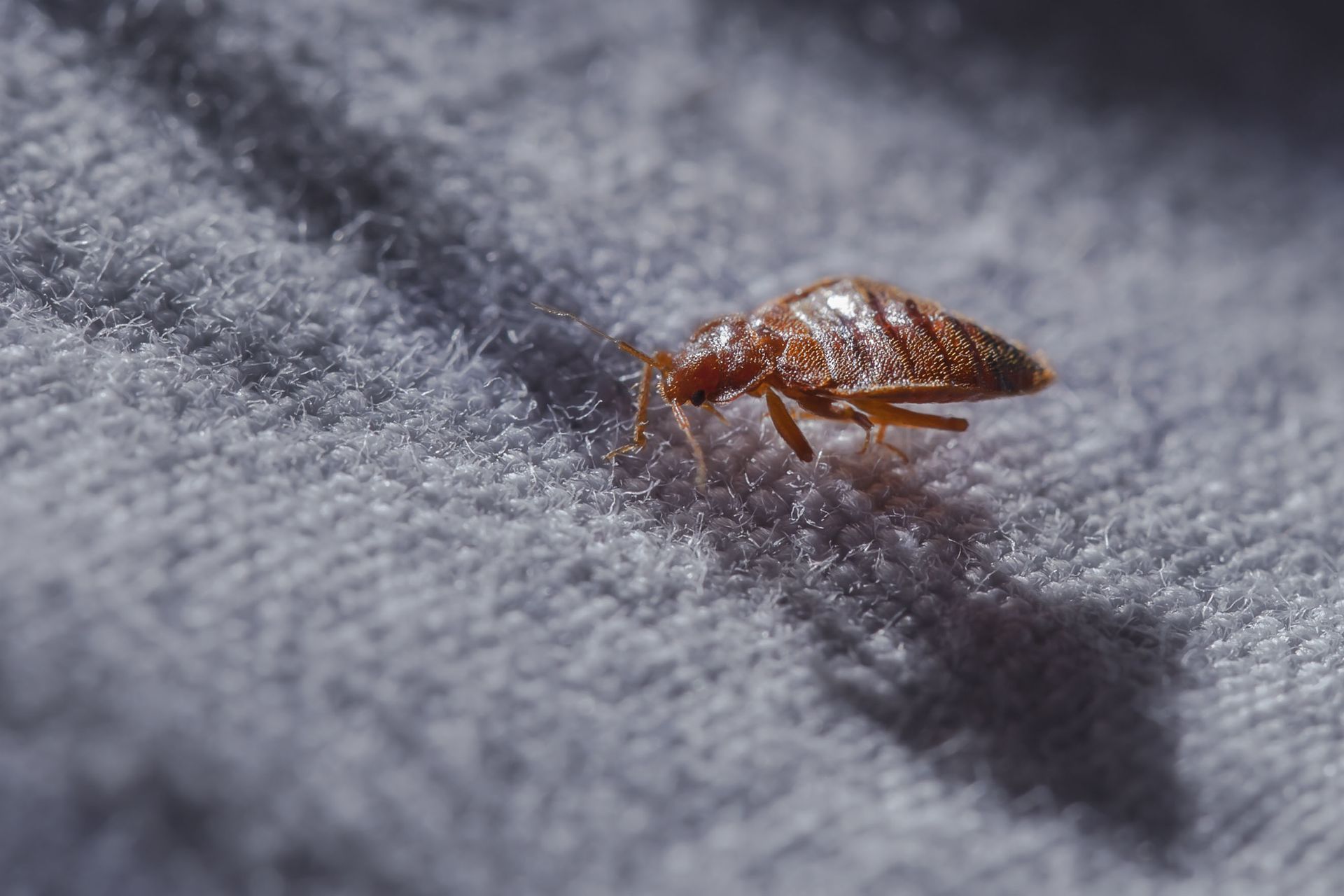
Understanding the signs of a bed bug infestation early can prevent a small problem from becoming a widespread issue. We will explore the key indicators of bed bug presence and how to identify them promptly. Bed bugs are small, elusive, and reproduce rapidly, making early detection crucial for effective control. The earlier you are able to identify the presence of these pests, the easier and less costly it will be to manage an infestation. If you find yourself overwhelmed, enlisting a reliable pest control service can provide peace of mind. Let us dive into this comprehensive guide that will help you learn about bed bugs, the risks they pose, and the exact strategies to identify and eliminate them before they spread any further.
Understanding the Lifecycle and Reproduction
Bed bugs have a fascinating and problematic lifecycle. They undergo several stages of development from egg to adult, which can last from weeks to several months depending on environmental conditions. Females can lay many eggs in their lifetime, typically in hidden, protected areas. What makes them particularly challenging is their ability to reproduce rapidly and their resilience against traditional control methods. Recognizing bed bugs at different stages - from egg, nymph, to adult - is critical to control strategies since each stage may require a different approach.
Identifying Common Hiding Places
Bed bugs are known for their knack for hiding in places that are hard to spot. They prefer to stay near their hosts, usually around bed areas. Common hiding spots include mattress seams, bed frames, and headboards, as well as furniture crevices and even electrical outlets. Their flat bodies enable them to fit into tiny spaces, which makes them elusive pests to detect. Besides immediate sleeping areas, they can spread to other rooms, which further complicates eradication efforts for any pest control service you might hire.
Observing Nocturnal Feeding Patterns
Understanding the feeding patterns of bed bugs can provide insights into when you are most likely to encounter them. These parasites are nocturnal feeders, preferring to come out at night when their human hosts are asleep. Bed bugs can detect body heat and carbon dioxide, which guides them to their source of food. Their bites tend to occur in a linear pattern, often on exposed areas of skin while their host sleeps. Due to their ability to survive long periods without a meal, they can remain hidden for extended durations.
Noticing Minor Bites and Skin Reactions
Bed bug bites are one of the first noticeable signs of an infestation. Typically appearing as small, red welts or bumps on the skin, they are often itchy and sometimes form a zig-zag pattern. Reactions to bites vary greatly among individuals, with some people experiencing severe allergic reactions while others might not react at all. If bites are present and bed bugs are suspected, further investigation is warranted. Since bites alone are not conclusive evidence, they should be paired with other signs before calling a pest control service.
Detecting Staining on Bedding and Furniture
Finding stains on sheets or furniture can act as a crucial indicator of bed bug activity. Bloodstains may appear when engorged bed bugs are accidentally crushed, while dark, rusty spots could be fecal matter deposited by the bugs. Such stains can be found along mattress seams, near bed corners, or on upholstered furniture. Identifying these marks early on can prevent the infestation from spreading unchecked. Regularly inspecting bedding and furniture for these stains is an effective early warning strategy.
Spotting Visible Eggs or Nymphs
Bed bug eggs and nymphs provide critical evidence of an infestation if spotted. Eggs are tiny, white, and often found in clusters in concealed spots. Nymphs resemble adult bed bugs but are smaller and can be harder to spot when unfed due to their light, translucent color. Due to their minute size and tendency to stay hidden, they require thorough inspection to detect. Careful scrutiny in suspected areas, such as bed joints and seams, increases the chances of early detection of these developing bed bugs.
Hiring a Pest Control Service
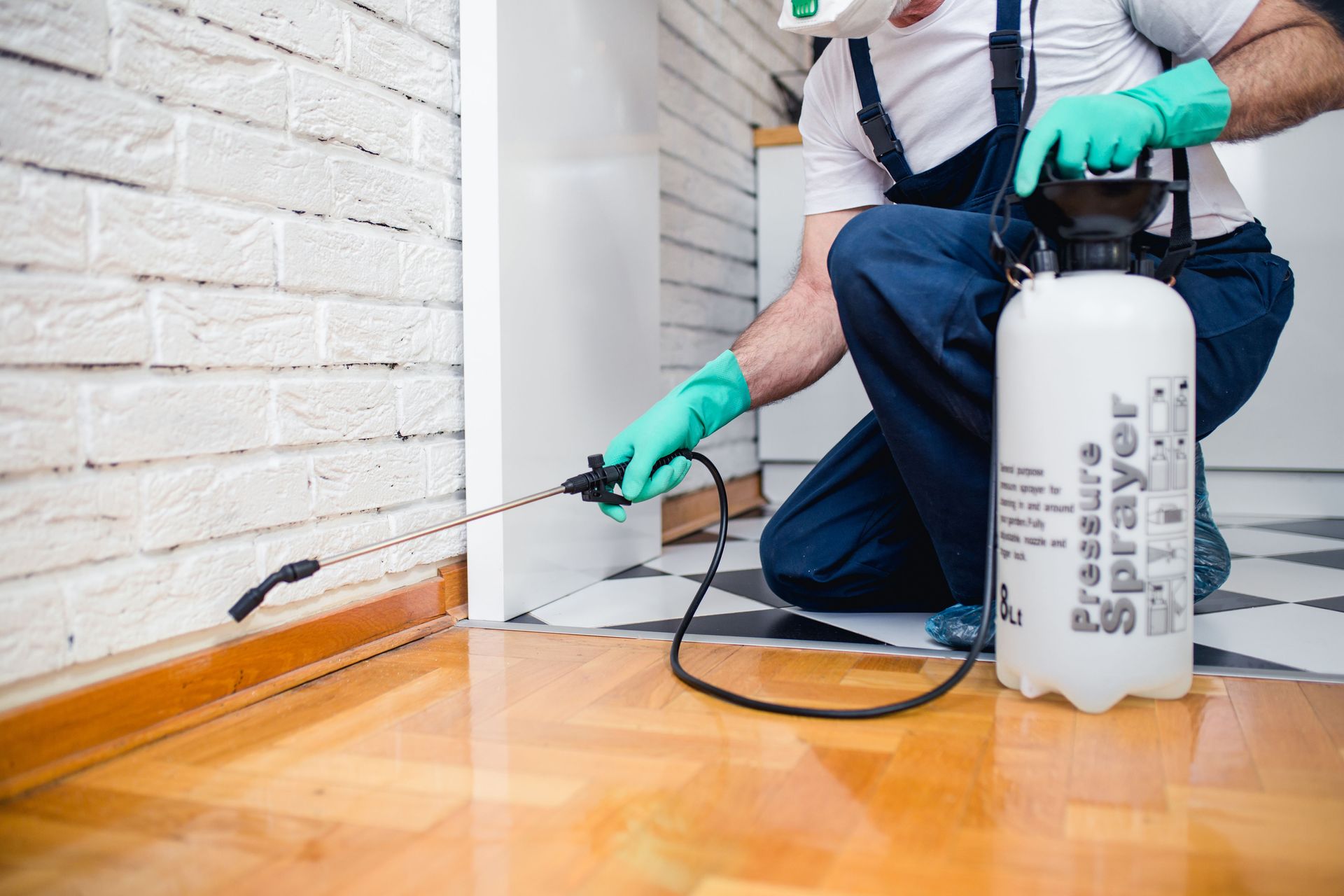
When deciding on how to inspect for bed bugs, seeking out a professional pest control service is essential. Professional inspections offer expertise and equipment that increase the likelihood of finding even the most well-hidden bugs. Pest control experts can pinpoint infestations early and propose effective solutions. Attempting to handle this alone requires diligence, knowledge, and persistence that often falls short of complete eradication. For a significant infestation, professional help is highly recommended to ensure comprehensive assessment and treatment.
Equipping Yourself With Proper Inspection Tools
Equipping yourself with the right tools is crucial for conducting an effective bed bug inspection. Tools such as flashlights, magnifying glasses, and screwdrivers can help inspect hard-to-reach places. Encased mattresses, sticky traps, and specially designed vacuums can also assist in both detection and partial eradication. Implementing these tools can significantly improve the chances of confirming infestations early. Documentation and taking notes during inspection can also help in tracking and managing efforts over time.
Tracking Movement and Activity at Night
Tracking the movement and activity of bed bugs can be an insightful way of identifying infestations. Observing bed sheets, mattresses, and sleeping areas at night might reveal live movement, indicative of active bed bugs. Recording times and locations of these sightings can aid in establishing patterns and determining concentration areas of infestation. Keeping a log or using camera traps can increase visibility into their behavior. These tactics provide concrete evidence of their presence and inform more targeted intervention tactics.
Inspecting Your Home Post-Travel
Conducting home inspections after traveling is prudent in mitigating bed bug threats. Addressing luggage and newly returned items such as shoes or souvenirs is essential for identifying transference signs early. Adopting systematic checks upon returning home can identify and isolate issues before they spread throughout the household. Focus on areas where luggage has been stored as potential hotspots for early detection. If you spot anything suspicious, calling a pest control service is the safest next step.
Implementing Protective Covers on Furniture
Investing in mattress and pillow covers designed specifically to protect against bed bugs is a strong preventive measure. These covers create a physical barrier that deters and encapsulates any existing bugs, preventing them from laying eggs or escaping. Encasing both new and existing furniture adds a layer of security and peace of mind. Regular checks of covers for signs of wear and tear ensure continuing efficacy. Such protective measures are highly effective in all environments. According to PestPac, the rate of bed bug infestations in low-income apartments throughout four cities in New Jersey shows drastic variations, spanning anywhere from 3.8% to 29.5%.
Vacuuming and Cleaning Consistently
Vigilant cleaning and vacuuming techniques are crucial in managing and preventing bed bug infestations. Regular and thorough vacuuming of carpets, upholstery, and baseboards removes bed bugs, their eggs, and their hiding in potential spaces. Using attachments to reach crevices and cracks is beneficial for achieving a more comprehensive cleaning. Sealing vacuum bags immediately and disposing of them away from the home ensures bed bugs do not return. Implementing these strict cleaning practices routinely can play a vital role in long-term preventive strategies.
Preventing the spread of a bed bug infestation early requires keen observation and timely action. By understanding where bed bugs hide, recognizing their signs, and taking preventative measures, you can protect your home from these unwanted pests. With comprehensive knowledge, regular inspections, and immediate actions when needed, you can mitigate the risk and impact of bed bug infestations. This proactive approach enables effective management and control, maintaining clean living environments and reducing potential future challenges. We at Friendly Pest Solutions, LLC are ready to help you reclaim your space. As a premier pest control service, our team is here for you. We offer a variety of options, including insect control, rodent control, home and seasonal pest management, specialty pest and wildlife control services, wood-destroying organisms services, and commercial pest control services. Let us serve as your preferred pest control service today.