July 24, 2026
Commercial compliance requires businesses to follow local, state, and federal regulations governing workplace sanitation, public safety, facility maintenance, product storage, and daily operations. Pest prevention is an important part of these responsibilities because insects, rodents, and other pests can contaminate products, damage buildings, create health hazards, and lead to regulatory violations. Working with a professional pest control company can help businesses maintain clean, sanitary environments that protect employees, customers, visitors, and inventory.
A documented commercial pest control program can demonstrate that a business is taking proactive steps to address potential health and safety concerns. Regular inspections, preventive treatments, monitoring devices, and detailed service reports provide valuable records during audits or regulatory inspections. By partnering with a pest control company, business owners can reduce the risk of unexpected infestations, interrupted operations, fines, and damage to their reputation.
Understanding Pest Control Compliance for Commercial Businesses
Industry-Specific Pest Control Requirements
Pest control requirements can vary based on a company’s industry, location, facility size, and the products or services it provides. Restaurants, food processing facilities, warehouses, healthcare offices, schools, apartment communities, retail stores, and manufacturing plants may all face different sanitation and reporting standards. Local health departments, occupational safety agencies, property regulators, and industry organizations may require businesses to maintain pest-free environments and correct conditions that could attract pests.
Businesses that handle food, medicine, packaging materials, textiles, or other sensitive products may be subject to especially strict sanitation requirements. Even a small pest problem in a storage room, break area, loading dock, or production space may result in contaminated materials or a failed inspection. A commercial pest control company can assess industry-specific risks and develop a service plan that supports the business’s compliance obligations.
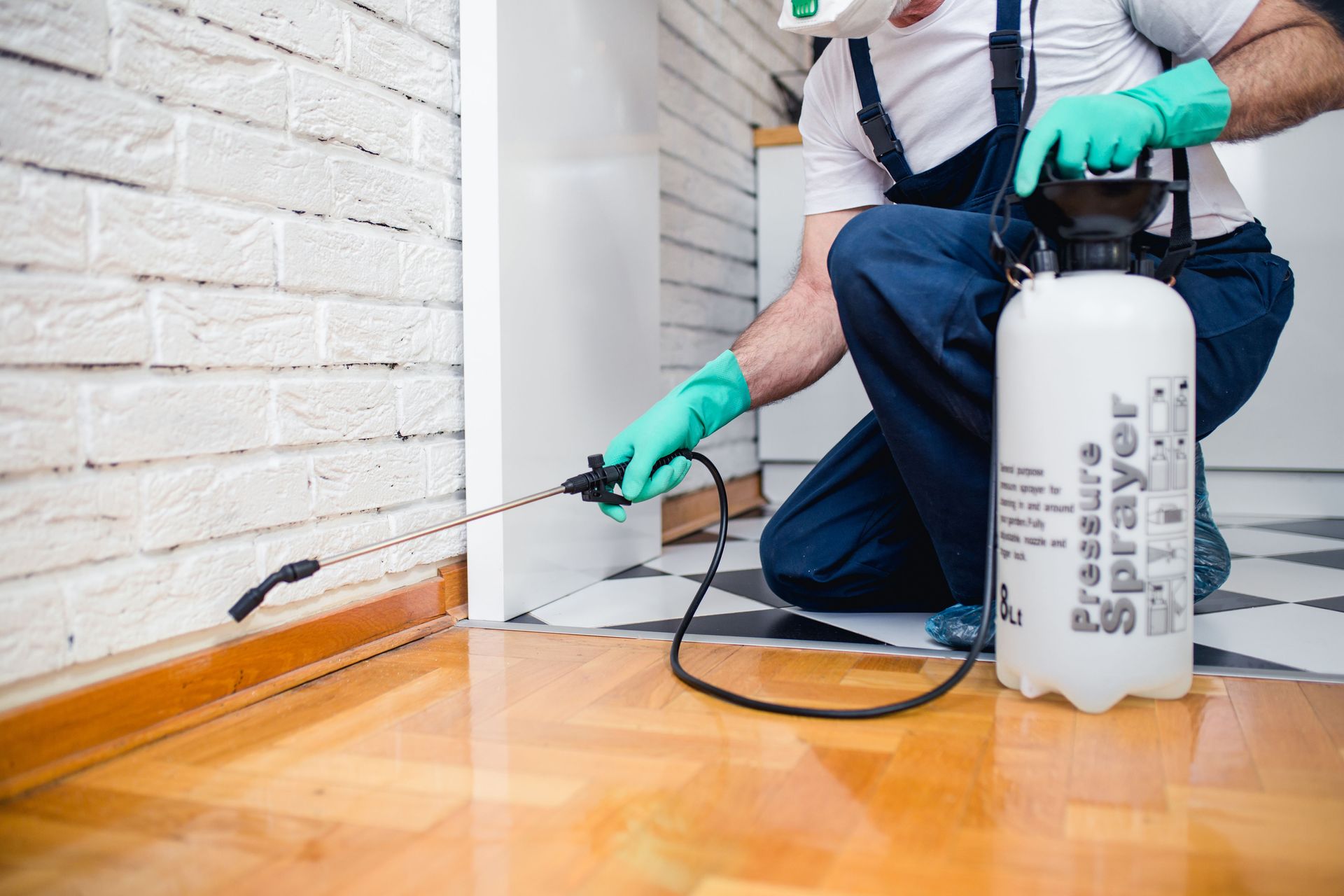
Professional pest management is not limited to treating visible insects or rodents. A complete program may include checking entry points, inspecting plumbing areas, identifying moisture problems, monitoring storage spaces, evaluating waste-handling practices, and recommending structural repairs. These preventive measures help businesses address the conditions that allow infestations to develop.
How Pest Control Supports Inspection Readiness
Regulatory inspections can occur on a scheduled or unannounced basis. Businesses that wait until pests are visible may not have enough time to correct the issue before an inspector arrives. Regular services from a pest control company help identify activity early, allowing management to take corrective action before the problem affects compliance.
Service documentation can also play an important role during inspections. Treatment records, monitoring reports, pest activity logs, corrective recommendations, and follow-up documentation show that the business has an established pest management program. These records may help demonstrate that management is actively monitoring the facility and responding appropriately to potential risks.
Maintaining a long-term relationship with a pest control company gives businesses access to consistent inspections and professional recommendations. Technicians can become familiar with the property, identify recurring trouble areas, and adjust the treatment plan as operations or regulations change. This ongoing support can make inspection preparation more organized and less disruptive.
Protecting Health, Safety, and Business Operations
Preventing Contamination and Sanitation Violations
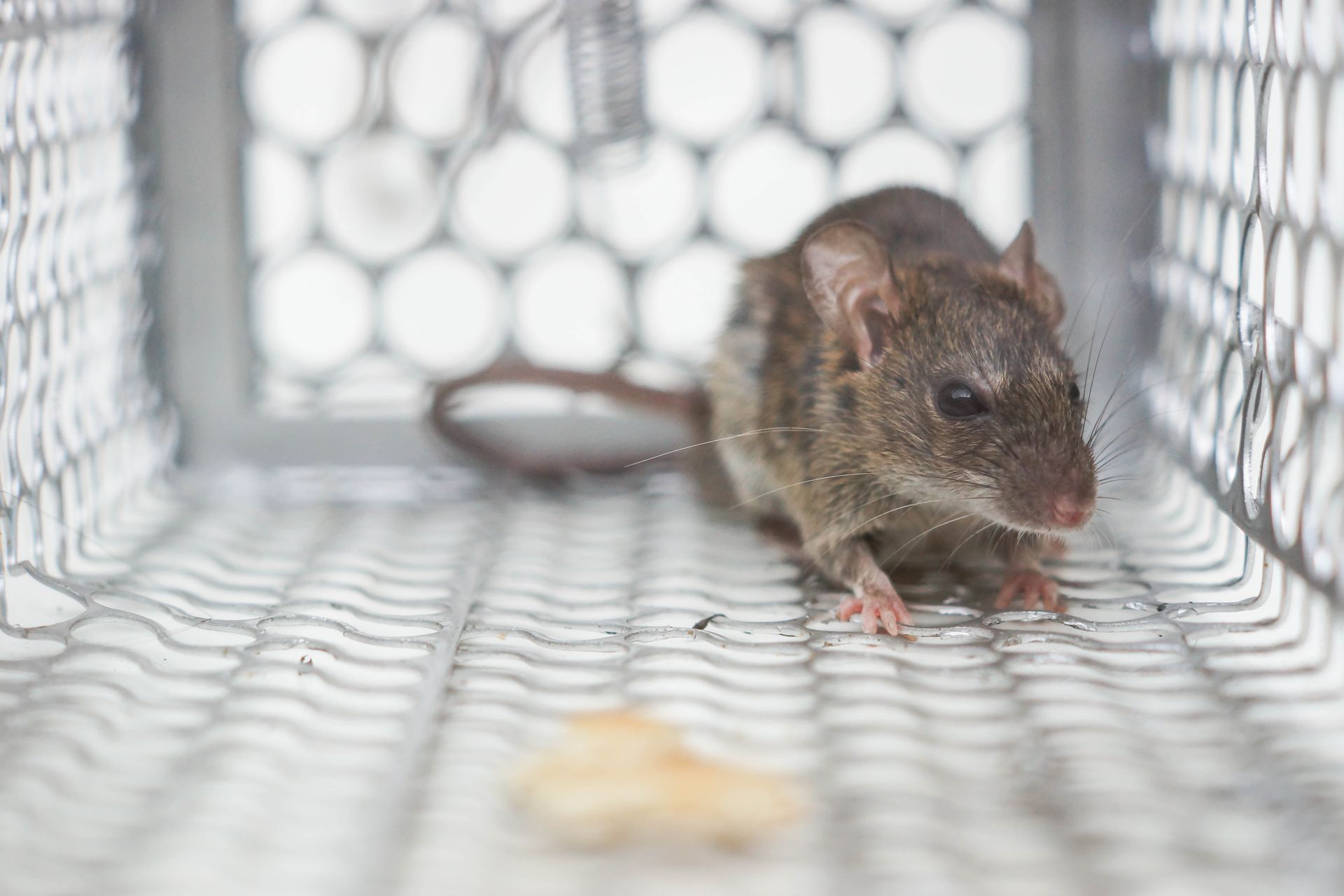
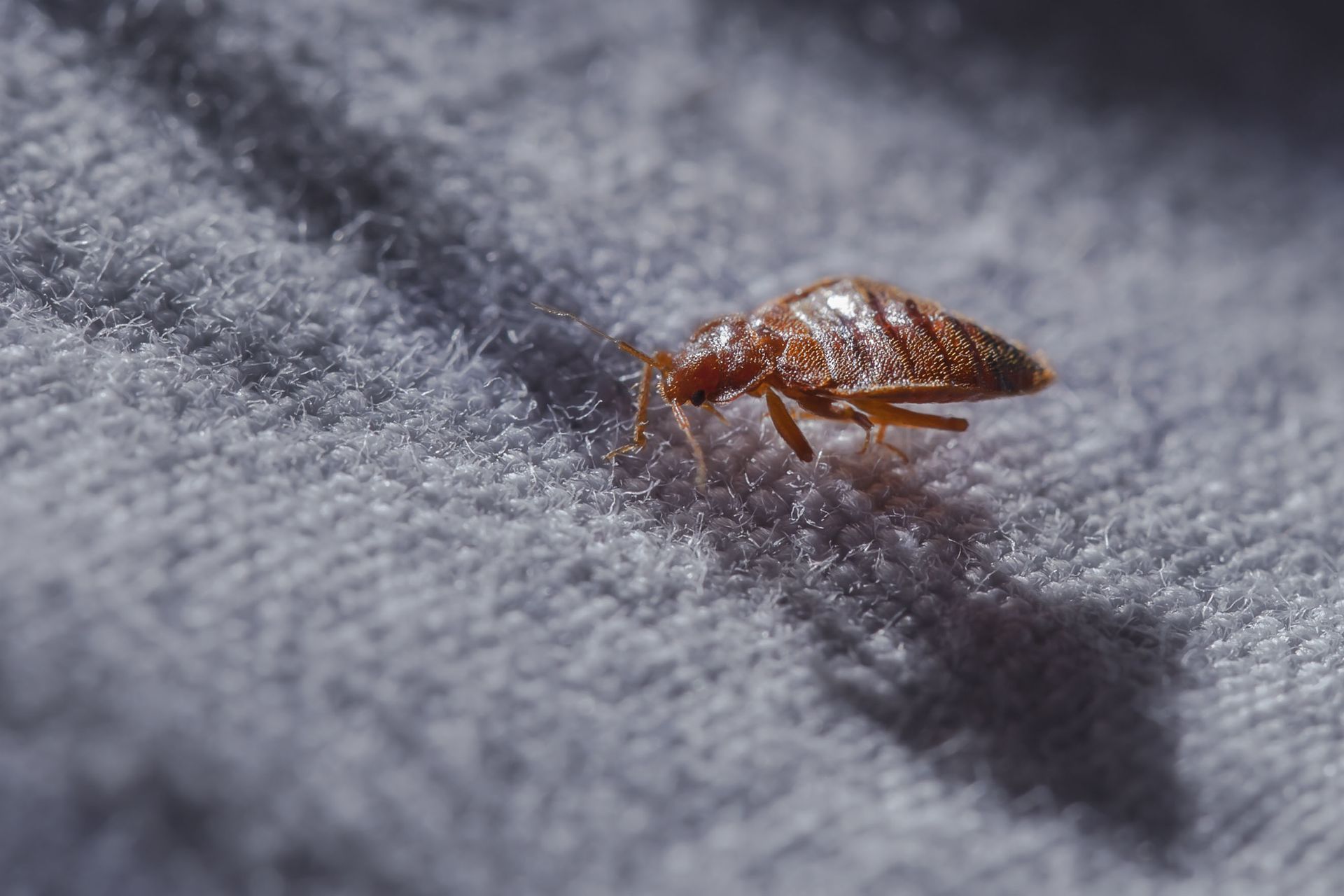
Pests can carry bacteria, damage packaging, contaminate products, and leave droppings or nesting materials in commercial spaces. Cockroaches, flies, rodents, ants, and stored-product pests may be attracted to food residue, standing water, waste containers, damaged doors, or improperly stored inventory. According to PestPac, cockroaches are the second most common infestation type in the Southeast of the U.S., boasting as high as around 36% of homes experiencing infestations.
Although this statistic focuses on residential properties, it demonstrates how widespread cockroach activity can be throughout the region. Businesses should work with a pest control company to address conditions that could lead to sanitation violations and serious concerns for employees and customers.
Professional technicians can help businesses identify both pest activity and the environmental conditions contributing to it. A technician may recommend sealing cracks, repairing door sweeps, improving drainage, moving inventory away from walls, cleaning beneath equipment, or changing waste disposal practices. Correcting these issues helps strengthen the effectiveness of professional treatments.
Preventive pest management is especially important in facilities where contamination could affect products or public health. Food service businesses, medical offices, assisted living communities, childcare centers, and manufacturing facilities cannot afford to ignore early signs of an infestation. Routine inspections help management respond before pests spread throughout the property.
Reducing the Risk of Fines and Operational Closures
Failure to address pest activity can lead to warnings, failed inspections, fines, product disposal, temporary closures, or the suspension of operating permits. The financial impact may extend beyond the immediate penalty. A business may also experience lost revenue, emergency treatment expenses, inventory replacement costs, and reduced customer confidence.
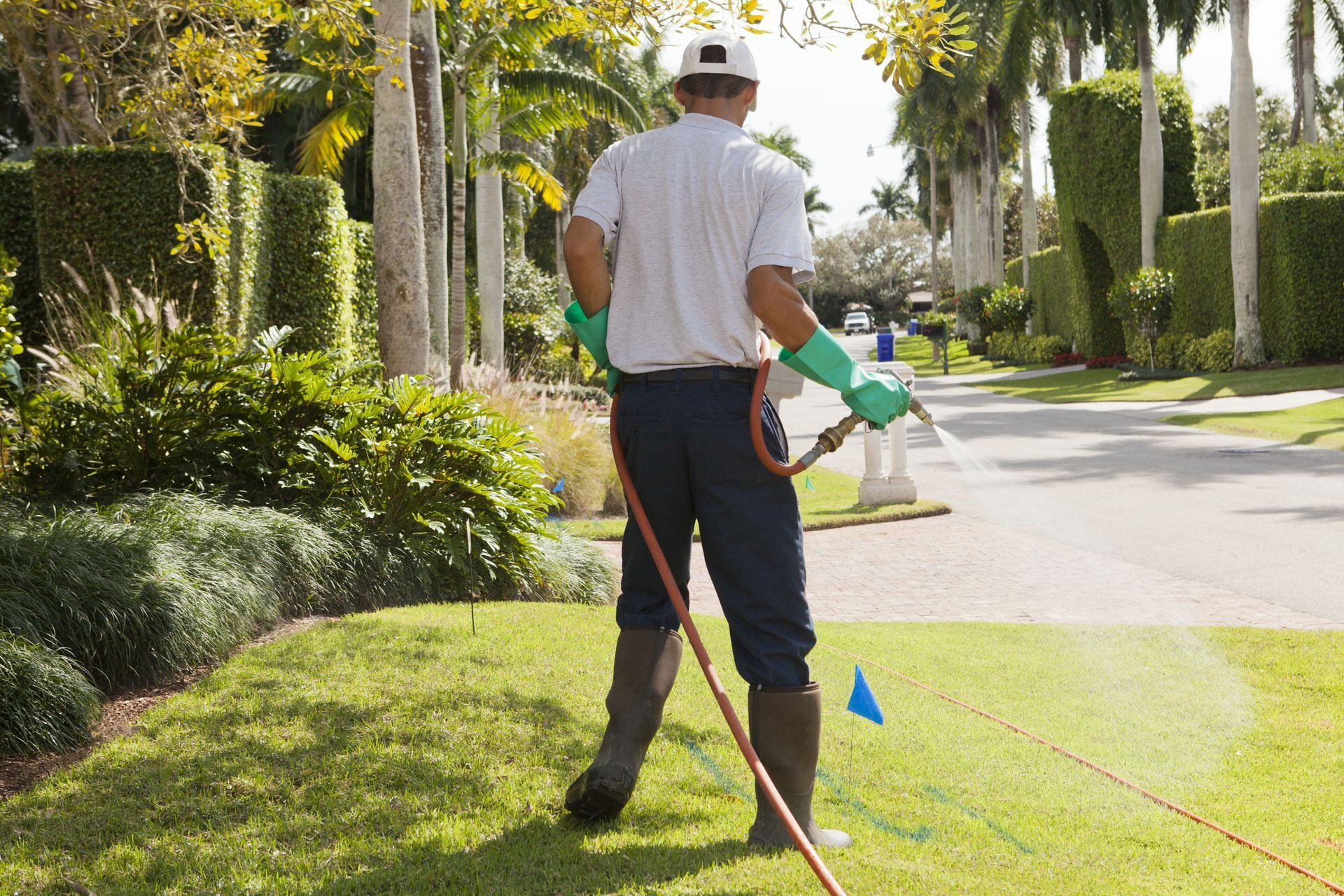
A proactive pest control program is typically more cost-effective than responding to a severe infestation. Regular service allows technicians to monitor activity and apply targeted treatments before the problem becomes widespread. This approach can reduce disruption and help the business maintain normal operations.
When a pest issue is discovered, rapid professional intervention can help demonstrate that management is taking the concern seriously. A pest control company can document the findings, perform the appropriate treatment, identify corrective actions, and return for follow-up inspections. These steps provide a clear response record that may be useful during future compliance reviews.
Maintaining Detailed Pest Control Documentation
Service Reports and Monitoring Records
Documentation is a major part of commercial pest management. Each service visit should include information about areas inspected, pest activity found, treatments completed, monitoring devices checked, and recommendations provided. Businesses should retain these records in an organized location where managers and inspectors can access them when needed.
Pest sighting logs can also help employees and technicians identify patterns. Staff members should record the date, time, location, and type of pest observed. This information allows the pest control company to focus on high-risk areas and determine whether changes to the service plan are necessary.
Businesses with multiple departments or large facilities may benefit from assigning a manager to oversee pest control documentation. This person can communicate with the service provider, review reports, confirm that corrective recommendations are completed, and maintain inspection-ready records.
Training Employees to Support Pest Prevention
Recognizing Early Signs of Pest Activity
Employees are often the first people to notice pest activity because they work throughout the facility each day. Staff training can help workers recognize droppings, gnaw marks, damaged packaging, insect trails, nesting materials, unusual odors, and other warning signs. Employees should know how and where to report these observations.
Prompt reporting allows management to contact the pest control company before the issue grows. Employees should avoid applying store-bought pesticides or moving monitoring devices unless instructed by a professional. Unapproved treatments may create safety concerns, interfere with the established pest control program, or violate company policies.
Supporting Sanitation and Facility Maintenance
Employee practices can significantly affect pest activity. Food should be stored in sealed containers, spills should be cleaned promptly, waste should be removed regularly, and storage areas should remain organized. Exterior doors should not be left open unnecessarily, and deliveries should be inspected for signs of pests or damaged packaging.
Training should explain how everyday actions support the company’s compliance goals. When staff members understand the connection between sanitation, pest prevention, and regulatory requirements, they are more likely to follow established procedures consistently.
A commercial pest control company may also provide recommendations or educational materials for employees. Including pest prevention in onboarding, safety meetings, and periodic refresher training can help create a stronger culture of compliance throughout the business.
Commercial pest control should be a planned component of a business’s overall compliance strategy. Routine inspections, preventive treatments, employee reporting procedures, corrective maintenance, and detailed documentation work together to reduce health and safety risks. Waiting for a visible infestation can expose the business to unnecessary financial and regulatory consequences.
Friendly Pest Solutions, LLC is the pest control company businesses can call to establish a commercial pest management program based on their facility, industry, and operational needs. Our team can inspect high-risk areas, monitor pest activity, recommend preventive improvements, and provide service documentation that supports inspection readiness.
Protect your facility, employees, customers, inventory, and operating permits with a proactive pest management plan. Contact Friendly Pest Solutions, LLC today to schedule a commercial pest control inspection and take an important step toward maintaining regulatory compliance.