August 13, 2026
Carpenter ants are one of the most destructive household pests, capable of causing significant structural damage when left unchecked. Unlike termites, they do not consume wood, but they tunnel through it to create nests, weakening structural components over time. This makes early detection and proper management essential for protecting homes and buildings. Defending against these pests requires a strategic approach, and professional pest control plays a key role in preventing infestations from escalating into costly problems.
Many homeowners are unaware of how quickly carpenter ants can establish colonies and expand throughout a structure. What may begin as a small, unnoticed presence can develop into a widespread issue that affects multiple areas of a property. Working with a pest control provider helps ensure that infestations are addressed effectively and thoroughly.
According to PestPac, ants are the most common type of household infestation, affecting approximately 56% of homes. This statistic highlights how widespread ant-related issues can be and underscores the importance of proactive prevention and management. With carpenter ants being a particularly destructive species, taking preventative measures and maintaining consistent pest control efforts is essential for long-term protection.
We’ve seen how proper identification, prevention, and professional support can make a meaningful difference in controlling carpenter ant activity. Here are the key ways to defend against carpenter ant invasions and how each approach contributes to a safer and more secure property.
Identifying Signs of Carpenter Ant Activity
Recognizing Visible Ant Trails
One of the earliest signs of carpenter ant activity is the presence of visible trails, often along walls, baseboards, or exterior surfaces. These ants typically travel in consistent paths between their nests and food sources. Observing these patterns can help identify areas of concern and prompt timely pest control intervention before the infestation spreads further.
Noticing Wood Shavings and Debris
Carpenter ants create tunnels by removing wood, which results in small piles of sawdust-like material known as frass. This debris is often found near nesting sites and serves as a clear indicator of internal activity. Identifying these signs early helps prevent structural damage and supports more effective pest control measures.
Hearing Faint Rustling Sounds
In some cases, carpenter ants can be heard within walls or wooden structures, especially at night when they are most active. These faint rustling noises may indicate the presence of a growing colony that requires immediate attention. Addressing these signs promptly helps limit further damage.
Spotting Winged Ants Indoors
The appearance of winged ants inside a property can signal a mature colony nearby. These reproductive ants are often mistaken for termites, but their presence indicates that the infestation has progressed. Professional pest control is essential at this stage to eliminate the colony and prevent further spread.
Understanding Conditions That Attract Carpenter Ants
Identifying Moisture-Prone Areas
Carpenter ants are drawn to damp or decaying wood, making moisture-prone areas particularly vulnerable. Leaks, poor drainage, and high humidity levels create ideal conditions for nesting. Addressing these factors is a critical part of effective pest control and long-term prevention.
Recognizing Structural Vulnerabilities
Cracks, gaps, and damaged wood provide easy entry points for carpenter ants. These vulnerabilities allow ants to access interior spaces and establish nests within structural components. Maintaining a well-sealed and structurally sound property helps reduce the risk of infestation.
Understanding Food Source Availability
Like all ants, carpenter ants are attracted to food sources such as sugary substances and proteins. Kitchens, pantries, and outdoor dining areas can become hotspots if not properly maintained. Managing food sources is an important aspect of pest control and helps deter ant activity.
Monitoring Outdoor Nesting Areas
Carpenter ants often establish initial colonies outdoors before expanding indoors. Trees, stumps, and wooden structures near the property can serve as nesting sites. Monitoring these areas helps identify potential risks and supports a more comprehensive pest control strategy.
Preventing Carpenter Ant Infestations
Reducing Excess Moisture
Controlling moisture levels is one of the most effective ways to prevent carpenter ant infestations. Ensuring proper drainage, repairing leaks, and maintaining ventilation helps create an environment that is less attractive to ants.
Sealing Entry Points
Closing gaps around windows, doors, and foundations helps prevent ants from entering the property. Sealing these openings reduces access points and supports long-term protection against infestations.
Maintaining Clean Indoor Spaces
Regular cleaning and proper food storage help eliminate attractants that draw ants indoors. Keeping surfaces free of crumbs and spills reduces the likelihood of infestation and supports overall pest control effectiveness. Maintaining consistent routines helps reinforce these protective measures.
Managing Outdoor Landscaping
Keeping trees, shrubs, and wood structures away from the home helps reduce potential nesting sites. Proper landscaping practices create a barrier between outdoor colonies and the property, supporting prevention efforts. Strategic placement of plants and materials can further enhance protection.
Addressing Carpenter Ant Infestations Effectively
Locating Nesting Sites
Identifying the primary nest is essential for effective treatment. Carpenter ants may establish multiple satellite colonies, making thorough inspection critical. Professional pest control ensures that all nesting sites are accurately identified and addressed. This comprehensive approach helps ensure that no active areas are overlooked.
Targeting Colonies Directly
Eliminating the colony at its source is key to resolving the infestation. Surface treatments alone are often insufficient, as they do not address the underlying problem. Comprehensive pest control strategies focus on complete colony removal. This targeted approach leads to more lasting results.
Monitoring Activity Levels
Ongoing monitoring helps determine the effectiveness of treatment and identify any remaining activity. This step ensures that the infestation is fully resolved and prevents recurrence. Continued observation provides reassurance that the issue has been properly handled.
Preventing Reinfestation
After treatment, preventative measures are essential to reduce the risk of future infestations. Maintaining a proactive approach to pest control helps protect the property over time. Consistency in these efforts is key to long-term success.
Protecting Structural Integrity From Damage
Preserving Wooden Components
Carpenter ants can weaken structural wood by tunneling through it. Addressing infestations promptly helps preserve the integrity of beams, supports, and other critical components. This protection is essential for maintaining the stability of the structure.
Reducing Long-Term Repair Costs
Early intervention helps prevent extensive damage that can require costly repairs. Investing in professional pest control reduces the financial impact of infestations. Taking preventative action often proves far more cost-effective over time.
Maintaining Property Value
A property free from structural damage retains its value and appeal. Effective pest management supports long-term investment protection. Maintaining strong structural conditions contributes to overall market value.
Ensuring Safe Living Conditions
Structural damage can compromise safety if left unaddressed. Maintaining a pest-free environment helps ensure that the property remains safe for occupants. Safety remains a top priority when dealing with potential infestations.
Supporting Long-Term Pest Management Strategies
Scheduling Routine Inspections
Regular inspections help identify potential issues before they develop into significant problems. Consistent monitoring supports proactive pest control and long-term protection. This ongoing attention helps maintain peace of mind for property owners.
Implementing Preventative Treatments
Preventative treatments create a barrier against future infestations. These measures are an important part of maintaining a pest-free environment. Long-term planning helps reinforce these protections.
Adapting to Seasonal Changes
Pest activity can vary throughout the year. Adjusting pest control strategies based on seasonal patterns helps maintain effectiveness and reduce risks. Being aware of seasonal trends allows for better preparation.
Ensuring Ongoing Protection
Long-term pest management requires consistent attention and professional support. Maintaining a proactive approach helps ensure that carpenter ants do not return. A reliable plan helps sustain results over time.
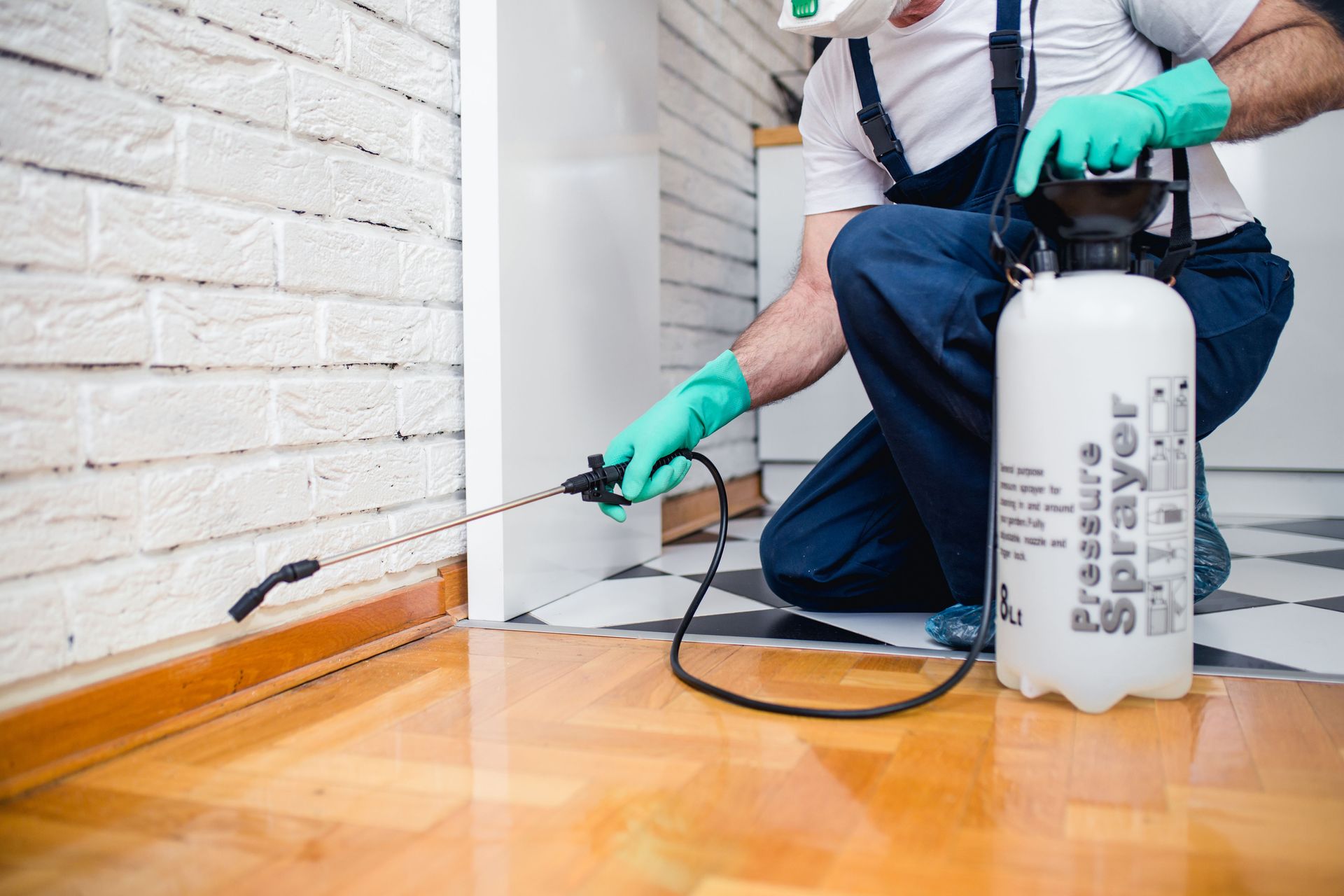
Defending against carpenter ant invasions requires a comprehensive approach that includes identification, prevention, and effective treatment. From recognizing early signs and addressing contributing conditions to protecting structural integrity and maintaining long-term strategies, each step plays a role in safeguarding your property. Professional pest control ensures that infestations are handled thoroughly and that preventative measures are implemented effectively.
By taking proactive steps and working with experienced professionals, property owners can reduce the risk of damage and maintain a safe, comfortable environment. Consistent attention to pest management helps prevent small issues from becoming larger concerns and supports long-term property protection. Staying engaged in prevention efforts helps ensure continued success.
If you’re ready to protect your property from carpenter ants and maintain a pest-free environment, contact Friendly Pest Solutions, LLC today for expert pest control services that deliver reliable, long-term results.