June 28, 2026
The importance of maintaining a safe and pest-free home environment for children is crucial in ensuring their health and safety. Despite the common use of chemical-laden products for pest control, parents are increasingly seeking safer, natural alternatives that protect their children from harm. By adopting a child-friendly approach to pest management, families can safeguard against unnecessary chemical exposure while effectively dealing with common household pests. The need for such measures is underscored by the growing awareness of potential health risks associated with conventional products, making natural methods more appealing and necessary.
Understanding the Risks of Conventional Pest Control
Chemical Exposure and Health Implications
Conventional pest control methods primarily rely on chemical pesticides, which can pose significant health risks. These chemicals, when used indiscriminately, can lead to both short and long-term health problems for children and pets. Children, in particular, are more vulnerable due to their developing organs and higher metabolic rates.
Common health implications associated with these chemicals include:
- Respiratory problems and asthmatic triggers
- Acute skin irritations and rashes
- Potential long-term neurological damage
As awareness of these risks grows, parents are motivated to seek safer alternatives that minimize chemical exposure in their homes.
Types of Hazardous Pest Control Products
The market offers a vast array of conventional pest control products, many of which contain hazardous substances. These products are designed to eliminate pests through potent active ingredients, such as organophosphates and carbamates, which can have unintended consequences on human health. Over time, these chemicals can accumulate in home environments, posing risks through skin contact, ingestion, and inhalation. Moreover, misuse or overuse of these products can exceed safety thresholds, amplifying their detrimental effects and creating a toxic home environment. Thus, understanding the types and risks of these products is crucial for making informed decisions.
Pesticide Residue and Environmental Impact
One of the major concerns with conventional pest control is pesticide residue, which can persist in the environment long after application. These residues can linger on surfaces, in the air, and even in soil, leading to continued exposure and potential harm. Additionally, pesticide runoff can contaminate water sources, affecting wildlife and ecosystems. This environmental impact is a growing concern, prompting individuals to rethink traditional pest control methods. By minimizing pesticide use, families not only protect their immediate environment but also contribute to wider ecological preservation.
Vulnerability of Children and Pets
Children and pets are particularly susceptible to the hazards posed by conventional pest control methods due to their size and behavior. For instance, children often play on floors where residues accumulate, and pets, like cats and dogs, are prone to ingesting harmful substances while grooming. This heightened vulnerability necessitates careful consideration of the pest control methods employed in homes. Ensuring a safe environment for these sensitive groups requires a shift towards less invasive and non-toxic solutions. By doing so, families can mitigate the risks and provide a healthier living space for all household members.
Natural and Non-Toxic Pest Repellents
Essential Oils and Their Applications
Essential oils have gained popularity as natural alternatives to conventional pest repellents. Oils such as eucalyptus, lavender, and citronella are known for their ability to deter various pests while being safe for children and pets. Applications of essential oils range from diluted sprays to diffusers that can create an inhospitable environment for pests. These oils offer a natural, pleasant-smelling solution that alleviates reliance on chemical products. By utilizing essential oils, families can achieve effective pest control in a manner that aligns with health-conscious and eco-friendly lifestyles.
Food-Grade Diatomaceous Earth
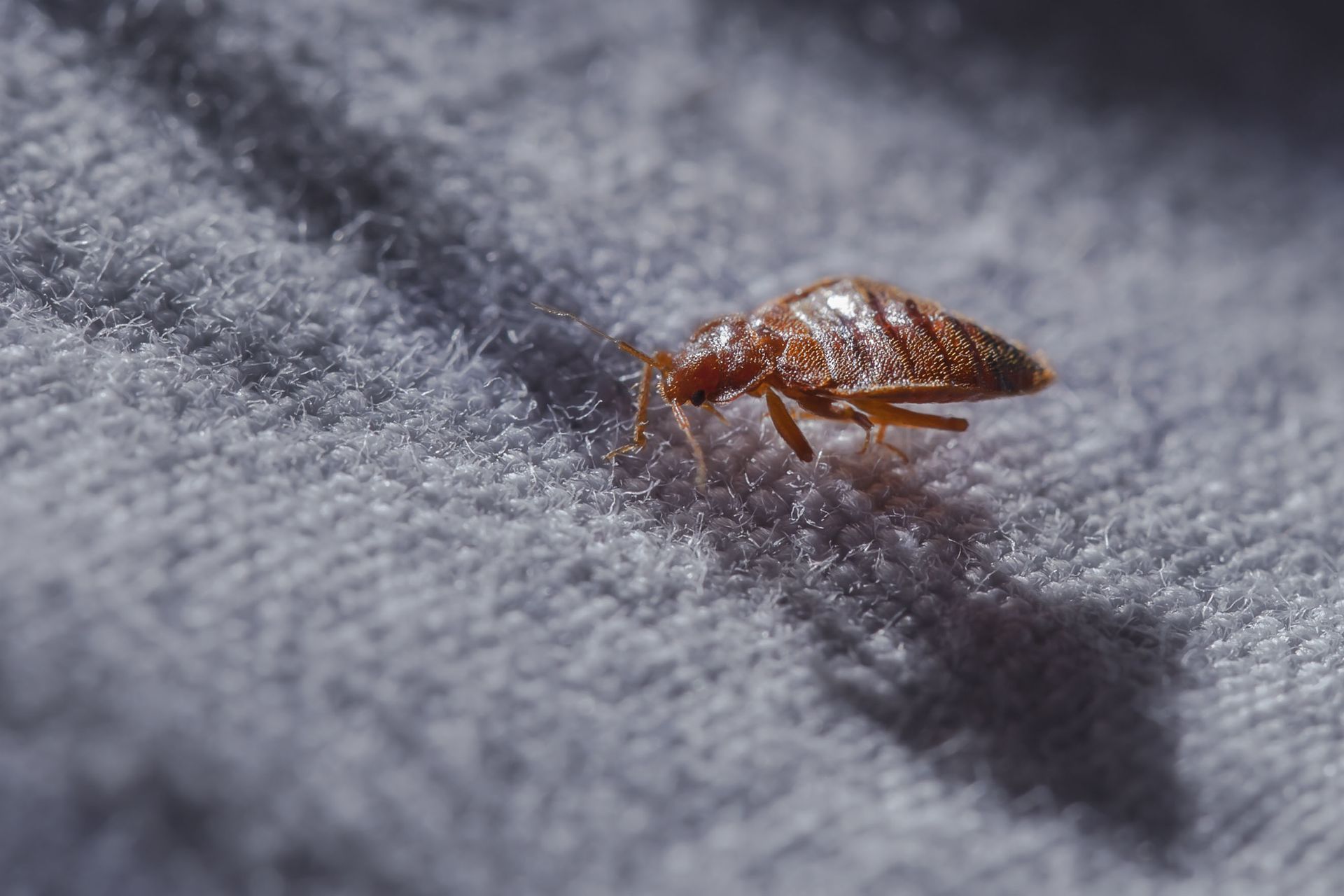
Food-grade diatomaceous earth is an excellent non-toxic pest control product suitable for homes with children and pets. It's derived from the fossilized remains of tiny, aquatic organisms and mechanically works to dehydrate pests such as fleas and bedbugs. This powdery substance can be applied to various surfaces without posing risks to non-target organisms, making it a versatile and safe option for pest management.
Its effectiveness and safety have made it a favored choice among consumers keen on reducing chemical exposure. By integrating diatomaceous earth into pest control strategies, families can achieve peace of mind and protection without sacrificing health.
Utilizing Vinegar and Baking Soda
Everyday household items such as vinegar and baking soda can be powerful allies in the fight against pests. Vinegar, with its strong acidity, is effective in repelling ants and cleaning areas prone to pest activity. Baking soda, known for its drying and deodorizing properties, can be used to combat cockroaches and prevent mold growth. Regular use of these substances not only helps manage pests but also contributes to a clean, odor-free home environment. Their accessibility and ease of use make them reliable components of a natural pest control toolkit.
Creating a Pest-Preventive Home Environment
Safe Waste Management Practices
Effective waste management practices are integral to preventing pest infestations in homes. Regular disposal of garbage, particularly food waste, reduces the attraction of pests like rodents and insects. Proper waste storage in sealed containers further minimizes the likelihood of pests accessing and being attracted to waste materials. A commitment to maintaining hygienic waste management routines significantly lessens the potential for pest-related issues, preserving a healthy home environment. By prioritizing these practices, families create an unwelcoming setting for pests while upholding environmental health.
Sealing Entry Points and Cracks
Identifying and sealing entry points and cracks in and around the home is a proactive step in pest management. Common entry points include gaps around windows and doors, foundation cracks, and utility entry points. By sealing these gaps with caulk or other appropriate materials, families can effectively block pest access to their living spaces. Regular inspections to identify new potential entry points strengthen this defense line, curtailing pest infestations from the outset. This simple yet effective method complements other pest management strategies, fortifying a home against unwanted intruders.
Maintain Cleanliness and Hygiene
Household cleanliness and hygiene play a crucial role in preventing pest problems. Pests are often attracted to food residue, clutter, and moisture, making regular cleaning essential to control infestations. Implementing thorough cleaning routines, such as sweeping, vacuuming, and wiping surfaces, removes potential food sources and pest habitats. Attention to maintaining dry, uncluttered environments deters pests seeking food, water, and shelter. This commitment to cleanliness not only supports pest prevention but also fosters a healthier, more pleasant living space for all family members.
Proper Food Storage Solutions
Proper food storage solutions are instrumental in reducing pest attraction and preserving food safety. Storing food in airtight containers prevents access by pests and provides an additional layer of protection against contamination. Paying attention to storage conditions, such as maintaining organized pantry spaces and discarding expired food, further mitigates pest issues. Incorporating these practices not only addresses immediate concerns but also promotes long-term household food security. By being vigilant with food storage, families can keep pests at bay while nurturing a habitat conducive to healthy living.
Maintenance and Home Repairs
Regular home maintenance and timely repairs are essential components of pest prevention strategies. Addressing leaks, repairing damaged screens, and replacing decayed structures reduce pest-friendly habitats and breeding sites. According to PestPac, over 600,000 residences suffer from termite intrusions every single year, highlighting how quickly neglected woodwork can compromise structural integrity.
Additionally, keeping outdoor areas well-maintained by trimming vegetation and removing debris limits potential nesting zones for pests. Viewing home repair and maintenance as preventive measures underscores a forward-thinking approach to
pest management. By cultivating a well-maintained home environment, families can effectively deter pest invasions while also enhancing their home's overall value and comfort. Reach out to Friendly Pest Solutions, LLC today to get started.