May 22, 2026
The foundation is your home’s most vital support, yet it faces constant "hidden" threats from subterranean pests. Termites, carpenter ants, and rodents don't just move in—they actively weaken your structure from the inside out. Since these invaders often go unnoticed until major damage occurs, proactive identification and professional pest control inspection are essential. By understanding the warning signs and vulnerabilities of your foundation, you can stop infestations before they compromise your home's safety and value.
Identifying Common Pests That Threaten Foundations
Termites are notorious for compromising the structural integrity of buildings by feeding on wood. These pests can remain undetected for long periods, all while hollowing out wooden elements within a foundation. Their activity is not only limited to wood but can extend to insulation and even filtration systems. An infestation left unchecked can result in thousands of dollars in repairs, making proactive pest control inspections essential. Identifying the presence of termites early can significantly diminish the risk they pose to your home's foundation.
Carpenter ants are another threat to the health of your foundation. Unlike termites, carpenter ants do not eat wood but carve it out to create nests. This can weaken structural components and lead to sagging beams or compromised load-bearing walls. Effective inspection techniques help in identifying these pests early, ensuring that they do not establish large colonies. Measures taken against carpenter ants include locating entry points and deploying targeted treatments to combat their spread.
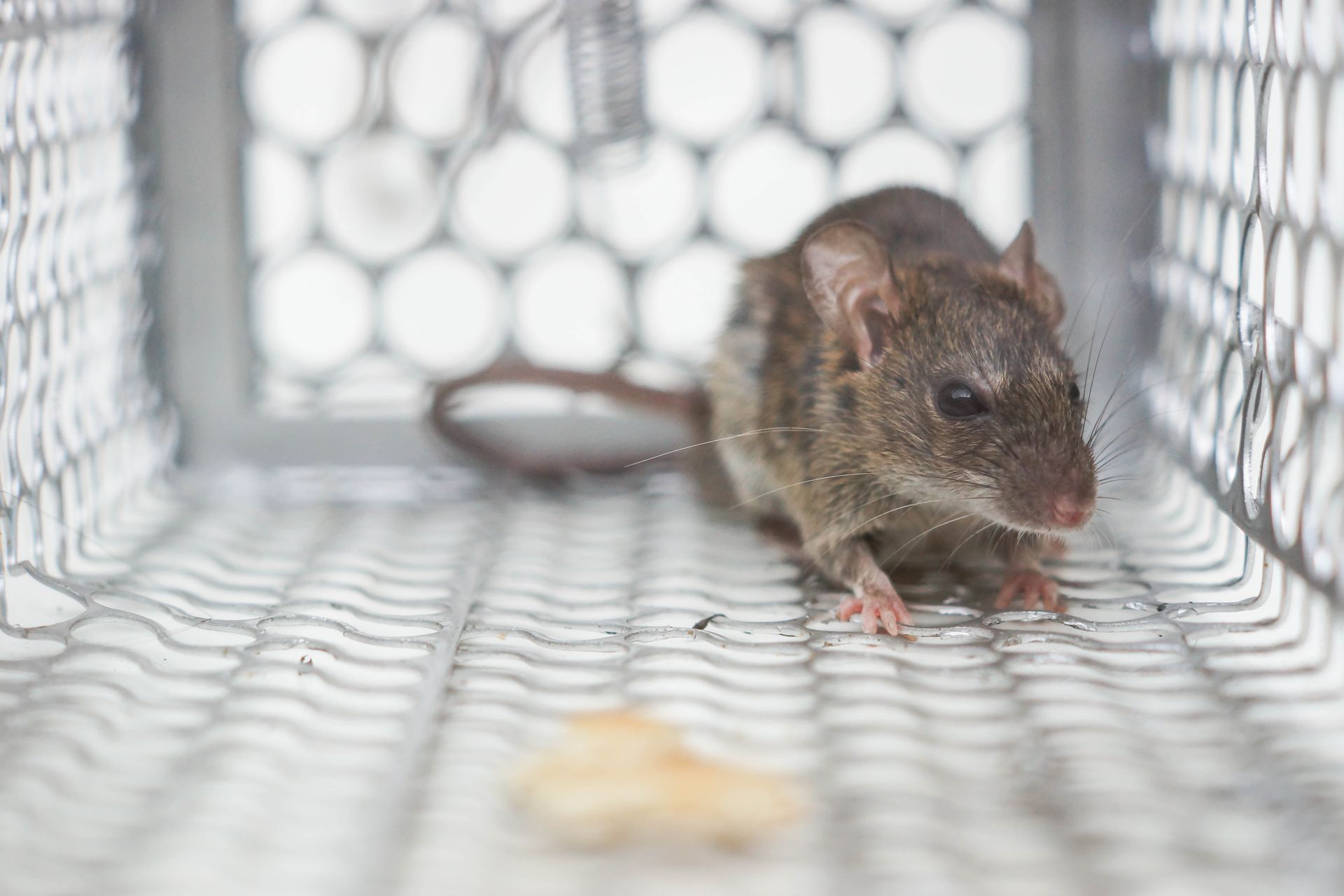
Rodents such as mice and rats pose a significant risk through their burrowing activities. Their nests can be challenging to locate but often exist near foundations, leading to undermined soil and potential collapses. Besides structural threats, rodents are known vectors for diseases, which present health hazards to residents. According to the World Health Organization, vector-borne diseases account for more than 17% of all infectious diseases, causing more than 700,000 deaths annually. Routine pest control inspections are crucial for identifying signs of rodent activity and employing measures to eliminate them.
Effective Inspection Techniques for Foundation Areas
Visual inspections form the first line of defense in identifying potential pest hotspots. By surveying both the exterior and interior of a property, professionals can spot signs of infestation such as mud tubes, droppings, or wood shavings. Professional assessments often involve more in-depth scrutiny using specialized tools and knowledge. This comprehensive approach can uncover hidden pest activity that might go unnoticed during a basic inspection. It's a critical step in ensuring that all potential issues are addressed promptly.
Thermal imaging is an advanced technique used to detect hidden pest activity within walls, under floors, and in other concealed spaces. This technology identifies temperature variations that can indicate the presence of pests. By using such advanced tools, inspectors can detect colonies and thermal anomalies indicative of pests, preventing extensive damage from occurring. Thermal imaging is non-invasive, making it an ideal method for locating and assessing pest activity without causing further damage to the property. Employing this technology ensures a comprehensive overview of potential pest issues.
Moisture meters are essential tools during pest inspections, as many pests thrive in damp environments. These devices measure the moisture content in building materials, helping to locate areas where water accumulation may be occurring. Excessive moisture can attract wood-destroying pests like termites and carpenter ants, as well as mold infestations that compromise air quality. By identifying these damp areas, homeowners can take steps to correct water leaks and improve drainage, thereby making their foundation less attractive to pests. Regular use of moisture meters during pest control inspections can prevent costly repairs by addressing issues before pests can take hold.
Understanding the Signs of Pest Infestation
Detecting visible damage on structural surfaces is often the first sign of a pest infestation. This can include peeling paint, sagging walls or floors, and unusual marks or holes that appear without explanation. Such damage can indicate the presence of wood-destroying insects or rodents burrowing into foundational materials. Prompt identification of these signs is crucial to prevent further structural compromise and greater repair costs. Regular inspections allow for early detection and timely intervention to address these issues effectively.
Unusual sounds are another sign of hidden pest activity in your foundation. These may include faint scurrying, gnawing, or rustling noises, often noticed at night when the house is quiet. Such sounds suggest the presence of rodents or other pests nesting within the walls or foundation. Ignoring these auditory signals can allow infestations to grow unchecked, leading to more significant structural and health challenges. Comprehensive pest control inspections often include listening for these minimized sounds to detect and eradicate pests effectively.
Preventative Measures to Strengthen Foundation Integrity
To prevent pests from entering your home, sealing entry points and foundation cracks is essential. Small gaps, compromised seals, and foundation cracks act as entryways for pests seeking shelter, food, or nesting sites. Frequent inspections should focus on identifying and repairing these vulnerabilities to maintain a pest-free environment. Sealing these potential entry points creates a structural barrier that deters pests from entering and causing damage. It's an inexpensive yet highly effective strategy to protect your home.
Proper drainage and moisture control are vital in maintaining foundation integrity. Without effective drainage, water can accumulate around the base of your home, creating an inviting environment for pests that thrive in damp conditions. Regularly cleaning gutters, directing water away from the foundation, and repairing leaks are key actions that can help maintain dry conditions. Reducing moisture around the foundation deters pests like termites and ants that look for high-humidity environments. Combining these practices with regular inspections ensures a strong, pest-resistant foundation.
Physical and chemical barriers serve as effective preventative measures against pest invasions. Physical barriers, like mesh screens and grating, prevent pests from accessing underground spaces. Chemical treatments can deter or eliminate pests before they become a problem, offering long-lasting protection when applied responsibly and effectively. Implementing both types of barriers maximizes defense, protecting your home from possible infestations. Regular retreatment and inspections ensure these barriers remain effective over time.
The Role of Treatment Options Following Inspection
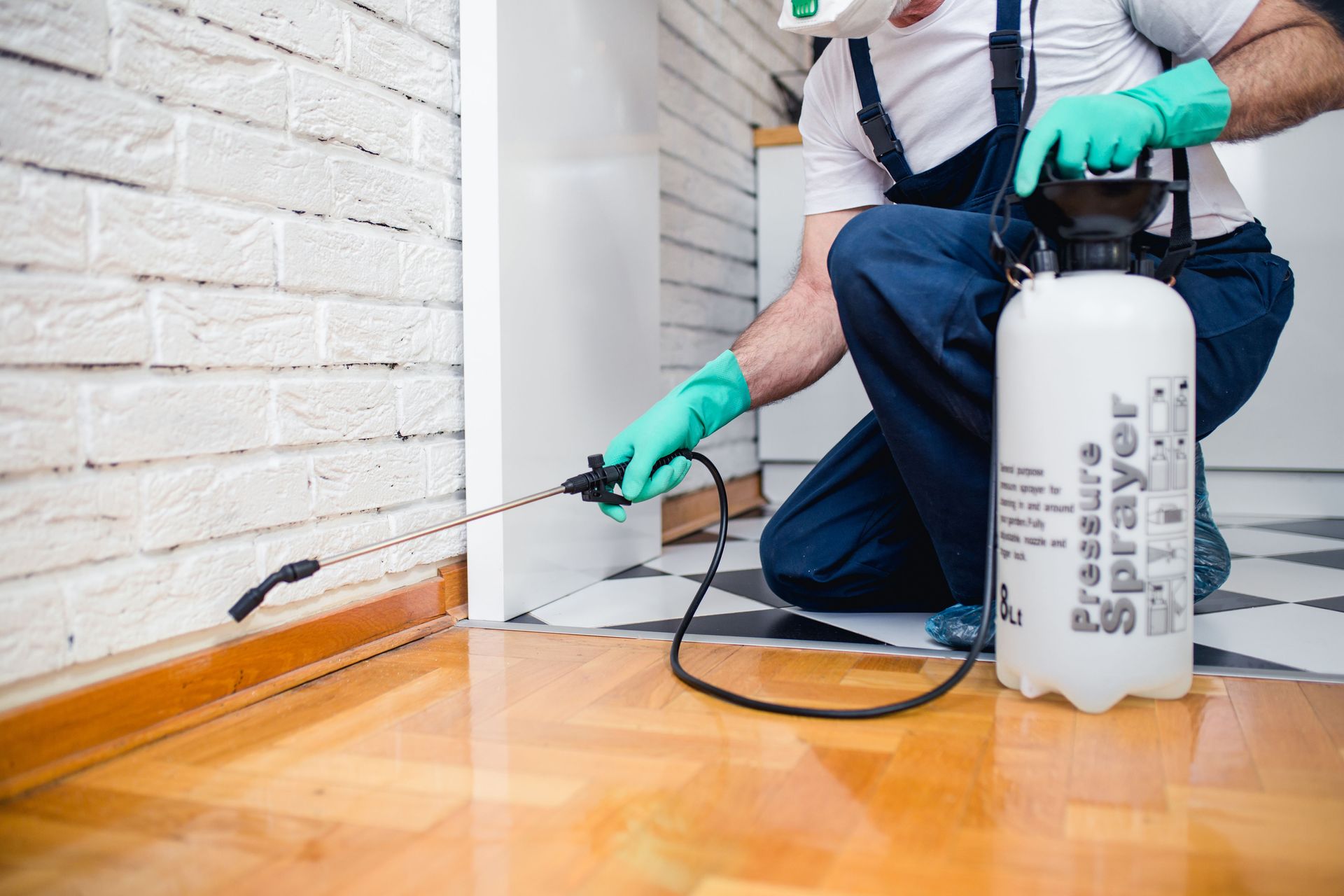
Following a pest control inspection, applying eco-friendly and traditional chemical treatments is often necessary to eradicate pests. Eco-friendly solutions include organic oils and botanical pesticides that eliminate pests without harming the environment. Traditional chemical treatments, when used correctly, can provide long-term protection and are particularly effective against termites and other wood-destroying insects. Knowing which treatments are best suited for specific pest problems is crucial for effective control. Strategic application based on inspection findings ensures a targeted approach that minimizes harm and maximizes results.
Bait systems offer a continuous protection strategy to combat pests post-inspection. These systems strategically attract pests to poison baits, which they then carry back to their colonies, effectively eradicating entire populations. Bait systems are advantageous as they continuously monitor pest activity, offering ongoing protection. The use of bait systems reduces direct exposure to chemicals for both humans and non-target species. As part of a comprehensive pest management strategy, bait systems act as vital preventative tools against potential infestations.
Protecting your foundation requires a mix of advanced technology, moisture control, and strategic barriers. By addressing leaks, sealing cracks, and utilizing professional thermal imaging, you can eliminate the conditions that attract destructive pests. Investing in prevention today is far more affordable than repairing structural failure tomorrow. Contact Friendly Pest Solutions, LLC to learn more about pest control inspections today!