January 14, 2026
Understanding the importance of preventing pest infestations before they spread is crucial in maintaining a healthy, safe, and comfortable living or working environment. This article explores proactive pest control strategies to help you effectively manage and prevent pest issues. Pest infestations not only endanger the structural integrity of spaces but also pose significant health risks. Preventing infestations through a combination of knowledge, proactive measures, and sometimes professional intervention can help create a secure environment. Keep reading to learn more about various strategies that ensure pest-free surroundings.
1. Understanding Common Pests and Their Behaviors
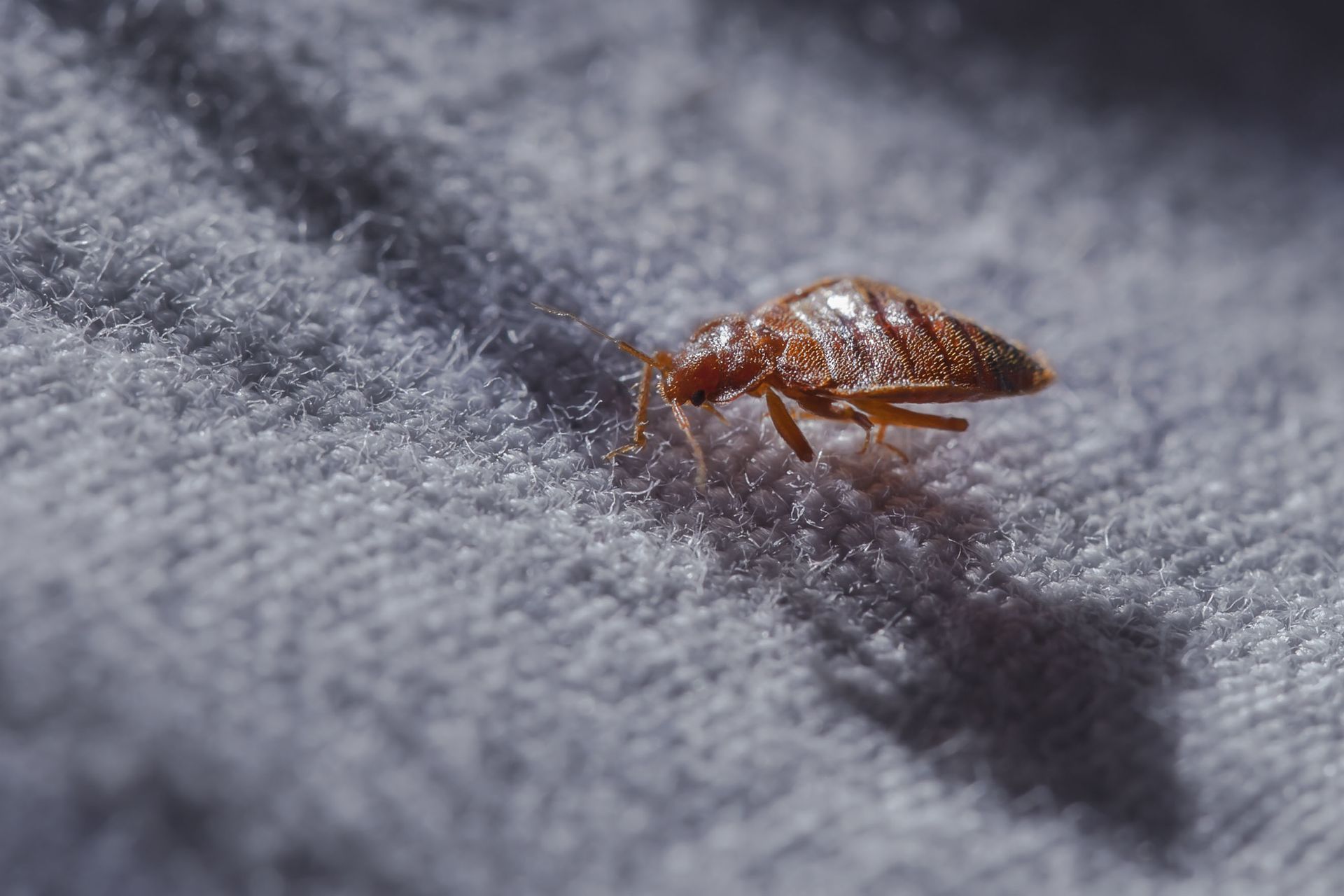
Pests can be a significant nuisance, but to control them effectively, you must first understand the types of pests you might encounter. Common household pests include cockroaches, ants, mice, and termites, each with unique behaviors and habitats. According to the United States Census Bureau, about 14 million of the approximately 124 million occupied housing units in the United States reported seeing roaches in their homes during the last 12 months, indicating a widespread issue. Proper identification is the first step in applying the appropriate control measures. A comprehensive understanding helps in pre-emptive actions to curb their proliferation.
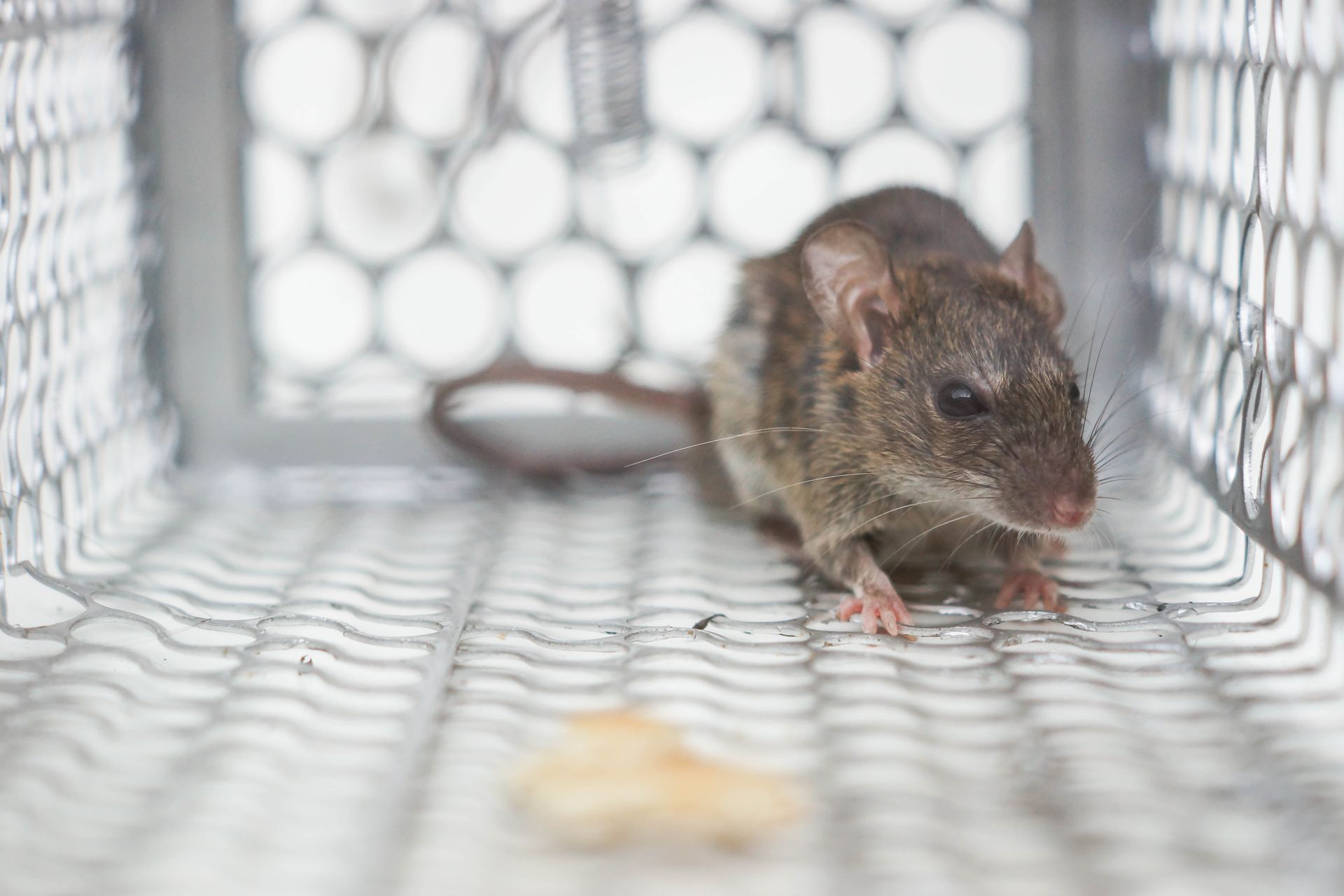
The behavioral patterns of pests such as insects and rodents are fascinating yet crucial for preventive measures. For example, cockroaches are nocturnal and prefer dark, moist environments to breed and thrive. Rodents like mice seek warmth and food sources, often entering homes through small cracks and crevices. Understanding these behaviors enables individuals to implement targeted control measures effectively. By mimicking natural deterrents and altering the environment to drive pests away, the risk of infestation can be minimized.
Seasonal pest challenges are another consideration in understanding pest behavior. Many pests have peak seasons when they are most active and reproduce rapidly. For instance, ants are most active during warmer months, whereas rodents tend to seek shelter during the colder seasons. By anticipating these trends, homeowners can take proactive measures ahead of time to reinforce their pest control strategies. Early preparation can help in managing any impending infestations.
2. Proactive Measures to Secure Your Home
Sealing entry points is a fundamental step in preventing pest entry into your home. Cracks and holes in walls, foundations, or around doors and windows provide easy access for pests. Regular inspections and sealing any potential entryways can significantly reduce the likelihood of an infestation. Materials such as caulk or steel wool are efficient for sealing smaller gaps. This practice not only keeps pests out but also adds an extra layer of insulation, contributing to energy efficiency.
Proper food storage techniques go a long way in discouraging pests from settling in your home. Pests are primarily attracted to homes in search of food. By storing food in airtight containers and maintaining cleanliness in food preparation areas, you can reduce their attraction significantly. Regular disposal of garbage and careful cleaning can further lower the risk of pests finding refuge in your home. A disciplined approach in maintaining a clean kitchen is crucial in this defense strategy.
Managing moisture levels is another critical measure in preventing pest infestations. Pests such as termites and cockroaches thrive in damp environments. Addressing leaks promptly, ensuring proper ventilation, and using dehumidifiers where necessary can help control moisture levels. This creates inhospitable conditions for pests, thereby reducing their numbers naturally. Proper drainage around the perimeter of the home prevents water accumulation and is an effective prevention strategy.
3. Natural Pest Control Solutions
Utilizing natural repellents offers an eco-friendly solution for pest management. Substances like diatomaceous earth, vinegar, and baking soda are known for their pest-repelling properties. These natural deterrents can be applied in areas prone to pest activity, thereby offering a chemical-free alternative to traditional pest control methods. Essential oils such as peppermint and neem are also effective in repelling various pests. The use of natural remedies aligns with the growing public awareness of sustainable living practices.
Beneficial insects play a vital role in natural pest management. Ladybugs, for example, are known to feed on aphids, a common garden pest. Promoting habitats for these beneficial insects in your garden can naturally keep pest populations in check. By striking a balance in the ecosystem, you can manage pest numbers while supporting biodiversity. Encouraging natural predators in your environment is a harmonious way to maintain control over unwanted pests.
Organic and homemade traps and baits are cost-effective methods for pest reduction. Sticky traps and bait stations can be created using ingredients commonly found in households. These homemade solutions target specific pests and reduce their numbers without introducing harmful chemicals. The practicality of these methods makes them accessible for anyone looking to address pest concerns independently. Combined with other natural solutions, they offer an integrated approach to pest management.
4. When to Call Professional Pest Control Services
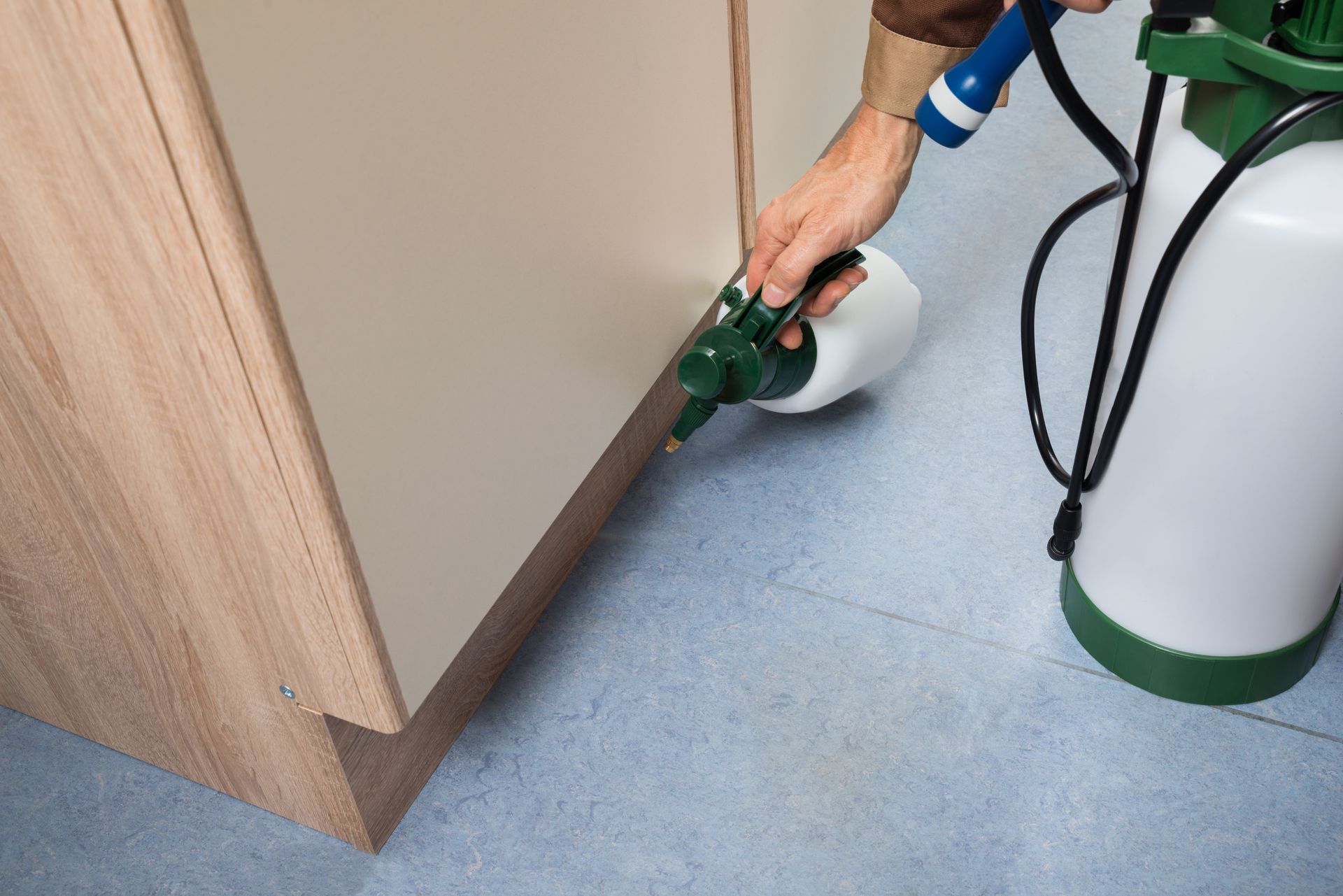
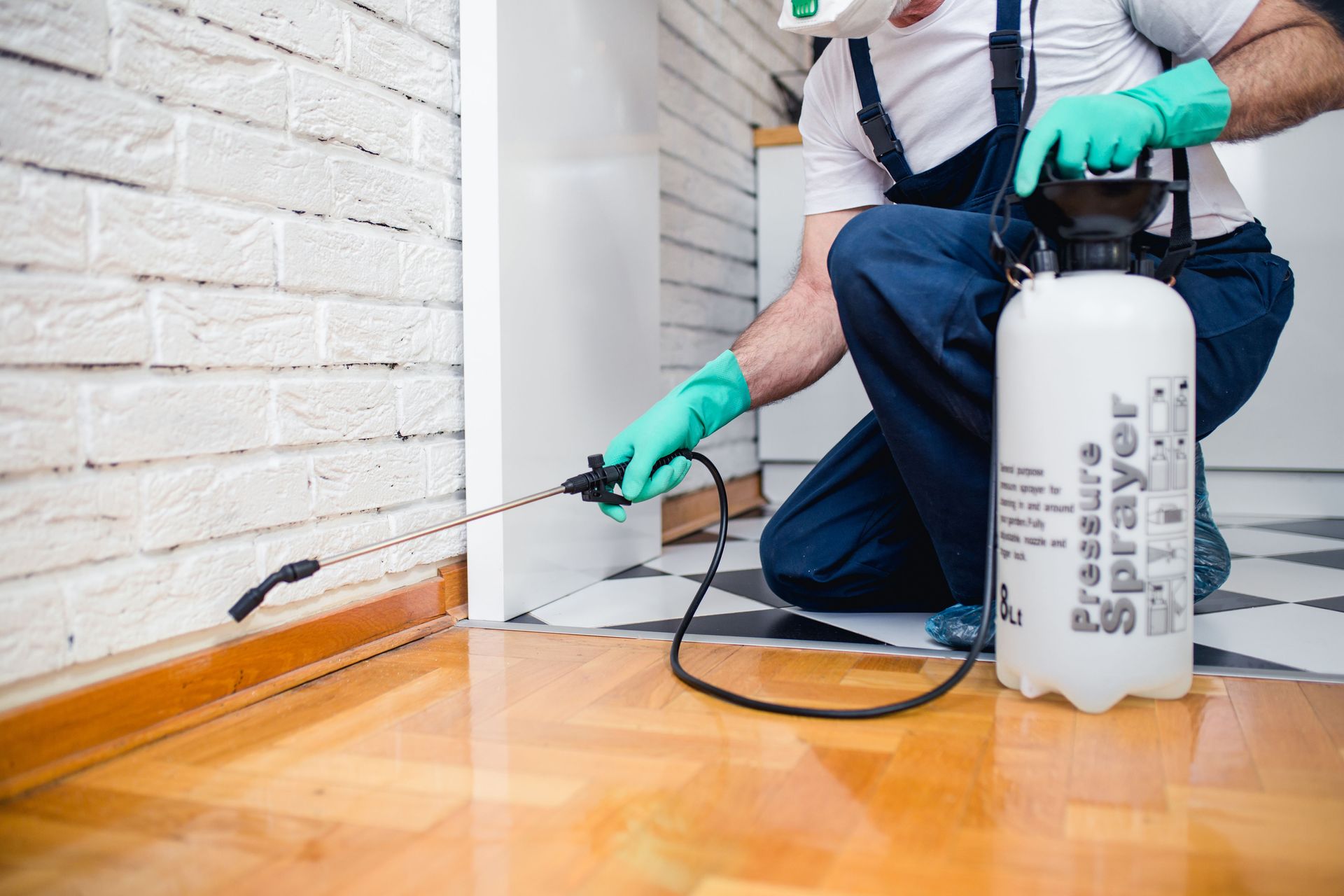
Recognizing when DIY pest control is insufficient is important for effective management. Some infestations may be too severe or persistent for homemade solutions. When pests become resistant to over-the-counter treatments or infestations recur frequently, professional intervention may be necessary. Pest control professionals possess specialized knowledge and equipment to tackle large-scale problems effectively. Seeking expert help can save time, money, and prevent damage to property.
What to expect from a professional inspection can guide homeowners in seeking the right services. Initial evaluations typically involve a thorough inspection of the premises to identify the extent of an infestation. Professionals assess the home environment to detect entry points, breeding sites, and pest activity levels. This information allows them to create tailored treatments specific to the infestation's unique challenges. By understanding the process, homeowners can make informed decisions when choosing pest control services.
The comparison of pest control service options highlights the variety of treatments available. Some services offer chemical-based solutions, while others provide eco-friendly alternatives. Understanding the differences can help in selecting the most appropriate service for your needs. Considerations such as costs, anticipated results, and potential impacts on the environment should be taken into account. Weighing these factors helps in choosing a service that aligns with personal preferences and ethical considerations.
5. Utilizing Technology for Pest Prevention
Smart home devices have revolutionized pest detection and prevention. Devices equipped with sensors can monitor changes in environmental conditions that might attract pests. These technologies can alert homeowners to pest activity, enabling quick responses before infestations take root. Video cameras and other smart devices can also identify and track pest movements within the home. The integration of technology and pest management reflects the advances in creating more secure and comfortable living spaces.
Digital solutions for tracking pest movements provide critical insights into their behavior. Software applications can analyze data on pest activity trends, helping homeowners anticipate their movements. This technological approach facilitates targeted responses, reducing future infestations. Digital tracking tools offer an effective method for long-term pest management, complementing traditional pest control measures. The fusion of smart technology and manual efforts represents a holistic strategy for pest prevention.
With apps and tools for identifying pests, homeowners gain direct access to helpful resources. These applications can provide crucial information about specific pests, recommendations for treatment, and tips for prevention. Engaging with digital communities offers the opportunity to share experiences and solutions, helping users learn from each other. Harnessing digital technology empowers individuals to tackle pest control with more confidence and awareness. The proliferation of online resources highlights the growing focus on self-managed pest prevention.
Preventing pest infestations before they spread requires a combination of knowledge, proactive measures, and sometimes professional help. The importance of proactive pest control strategies cannot be understated. Armed with the right tools and strategies, individuals can safeguard their living spaces from pest threats. For expert pest control solutions, get in touch with Friendly Pest Solutions, LLC!